Can You Use a Heating Pad for Cramps in Pregnancy?
Why heat needs extra care in pregnancy, which cramps need checking urgently, and gentler comfort options to ask your midwife or doctor about.

In this guide
Cramps and aches are common in pregnancy, and it's natural to reach for the heating pad (heat pad) you'd use for period pain. But pregnancy changes things. Here's what to know before using heat, and when cramps need checking straight away.
Quick answer
Don't use a heating pad for cramps in pregnancy until you've spoken to your midwife, GP or OB-GYN. Raising your core body temperature can be harmful, especially early on, and many professionals advise against heat on the bump. Cramps can also be a sign of something that needs urgent attention, so get them checked rather than masking them with heat.
Why heat needs more care in pregnancy
The main concern is overheating. The NHS advises avoiding things that raise your core temperature, such as hot tubs and saunas, during pregnancy, and US health bodies give similar advice. A high body temperature in early pregnancy has been linked with a higher risk of some problems with the baby's development.
A small heat pad on a low setting is not the same as sitting in a hot tub, and some midwives are comfortable with gentle, short use of heat on the back or shoulders for muscle aches. But it depends on you, your pregnancy and the device. That's a judgement for your midwife or doctor, not a product guide. Until they say otherwise:
- Don't put heat on your bump (tummy).
- Don't use high settings, long sessions or heat while lying down to sleep.
- Don't use heat if you have a fever or feel hot and unwell.
Cramps in pregnancy that need urgent attention
Mild, period-like twinges can be part of a normal pregnancy, for example as your womb grows and the ligaments stretch. But tummy pain or cramping can also be a sign of miscarriage, ectopic pregnancy, infection, preterm labour or other complications. Contact your midwife, GP, maternity unit or early pregnancy unit (or your OB-GYN in the US), or call NHS 111, straight away if you have:
- Cramping or tummy pain with any vaginal bleeding or spotting.
- Pain on one side of your tummy, especially early in pregnancy.
- Pain in the tip of your shoulder.
- Regular, tightening cramps or back pain before 37 weeks, or a gush or trickle of fluid.
- Pain with a fever, chills, pain when weeing or unusual discharge.
- Severe pain under the ribs, especially with headache, vision changes or swelling of the face, hands or feet.
- A change in your baby's usual pattern of movements.
Call 999 in the UK or 911 in the US, or go to A&E/ER, if the pain is severe, you feel faint or dizzy, or you're bleeding heavily. Trust your instincts: maternity teams would always rather check and reassure you.
Gentler things to ask your midwife about
If your cramps or aches have been checked and you've been told they're nothing serious, these are often suggested for comfort. Run them past your midwife or doctor first:
- Rest and changing position: lying on your side or sitting with your feet up can ease ligament twinges.
- A warm (not hot) bath or shower: keep the water comfortably warm and don't stay in long enough to overheat.
- Staying hydrated: dehydration can make cramps and tightenings feel worse.
- Gentle movement: walking, pregnancy yoga or swimming, if you've been told they're suitable.
- Pain relief: paracetamol (acetaminophen/Tylenol) is often recommended in pregnancy at the lowest effective dose. Avoid ibuprofen (Advil/Nurofen) unless a doctor has said it's OK.
- Support: a maternity support belt or pregnancy pillow may help with back and pelvic aches.
Leg cramps are different
Many people get sudden, painful leg cramps in pregnancy, especially at night. These are muscle cramps in the calf or foot rather than tummy cramps. Stretching the muscle by pulling your toes up towards your shin, and gentle walking, often helps. Mention them to your midwife, and seek help urgently if one leg is swollen, red, warm or painful to touch, as that can be a sign of a blood clot.
After your baby is born
Period pain usually returns once your periods come back, and some people find their periods feel different after pregnancy. Afterpains in the days after birth are common too. Ask your midwife or health visitor whether heat is suitable for you at that stage, particularly after a caesarean, and avoid heat on any wound. For period cramps later on, our guides on whether heat helps and heat pad safety are a good place to start.
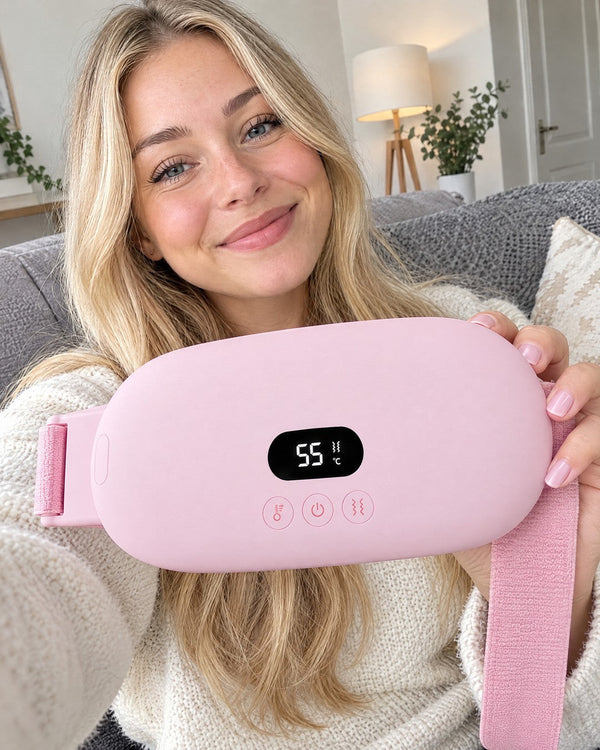
A note on our belt: the Mello Soothe heat and massage belt is designed for period pain, with 5 heat levels and 5 vibration massage modes. We don't recommend using it during pregnancy unless your midwife or doctor has told you it's suitable for you. Free tracked delivery and 100 days to send it back.
Common questions
Can I put a heating pad on my stomach while pregnant?
It's best not to put heat on your bump. Many midwives and doctors advise against it because of the concern about raising your core temperature. Ask your midwife or OB-GYN what's safe for you, and get any tummy cramps checked first.
Is it normal to have period-like cramps in early pregnancy?
Mild cramps can happen in early pregnancy as your womb changes. But cramps with bleeding, one-sided pain, shoulder tip pain, or pain that's severe or getting worse need checking urgently. If you're unsure, contact your midwife, GP, early pregnancy unit or NHS 111.
Can I use a heating pad on my back while pregnant?
Some midwives are comfortable with short, gentle heat on the back for muscle aches, but this isn't right for everyone. Check with your midwife or doctor first, keep the setting low and the session short, and never fall asleep with it on.
Can I use a TENS machine for cramps in pregnancy?
TENS is sometimes used in labour under guidance, but it's generally not recommended earlier in pregnancy unless a health professional has advised it. Ask your midwife before using one. Our period pain FAQ covers TENS and heat for periods.
This guide is general information, not medical advice. If your pain is severe, getting worse or worrying you, speak to a doctor.