Heavy Periods: Signs, Coping Tips and When to See a GP
Heavy periods are common, but they shouldn't be something you just put up with. Here is how to tell if your periods are heavy, practical coping tips and when to see a GP.

In this guide
Planning your day around toilet trips, doubling up on protection and worrying about leaks is exhausting. Heavy periods are very common, but that doesn't mean you have to just put up with them. This guide explains how to tell if your periods count as heavy, how to cope day to day, why iron matters, and when to speak to a GP or doctor.
Quick answer
Heavy menstrual bleeding (menorrhagia) is when your periods are heavy enough to affect your daily life. Signs include needing to change your pad or tampon every one to two hours, passing large clots or bleeding for more than seven days. It is often not caused by anything serious, but it is worth seeing a GP or doctor, because effective treatments are available and heavy bleeding can lead to low iron.
How do I know if my periods are heavy?
Everyone's "normal" is different, so the NHS focuses on how your period affects you rather than an exact amount of blood. You may have heavy periods if you:
- Need to change your pad or tampon every one to two hours, or empty your menstrual cup more often than recommended
- Need to use two types of period product together, such as a tampon and a pad
- Have periods that last more than seven days
- Pass blood clots larger than about 2.5cm (roughly the size of a 10p coin, or a US quarter)
- Bleed through to your clothes or bedding
- Avoid daily activities, such as exercise or going out, because of your period
- Feel tired or short of breath a lot of the time
What causes heavy periods?
For many people, there is no obvious cause and heavy periods are simply how their body works. But sometimes there is an underlying reason, which is why it is worth getting checked. Possible causes the NHS lists include:
- Fibroids (non-cancerous growths in or around the womb)
- Polyps in the womb lining
- Endometriosis or adenomyosis
- Polycystic ovary syndrome (PCOS)
- Pelvic inflammatory disease
- Some types of contraception, particularly the copper coil (copper IUD)
- Some medicines, such as blood thinners
- Hormonal changes, for example around puberty or in the years leading up to the menopause
- Less commonly, conditions such as an underactive thyroid or a blood clotting disorder, and rarely cancer of the womb
Practical tips for coping with heavy periods
Choose protection that works for you
- Try super or overnight pads, higher absorbency tampons, period pants (period underwear) or a larger menstrual cup. Many people combine period pants with another product on the heaviest days.
- Change tampons regularly and never use a higher absorbency than you need, to reduce the risk of toxic shock syndrome.
- Keep a small bag with spare products, underwear and wipes in your work bag or car.
Protect your nights
- Use a waterproof mattress protector or a dark towel under you.
- Overnight pads or period pants designed for heavy flow can help you sleep without worrying. Our guide to sleeping with period cramps has more ideas.
Plan around your cycle
- Track your periods so you know which days tend to be heaviest.
- Where you can, keep those days lighter, with fewer long meetings or journeys away from toilets.
- Wear dark, comfortable clothes on heavy days.
Look after the cramps too
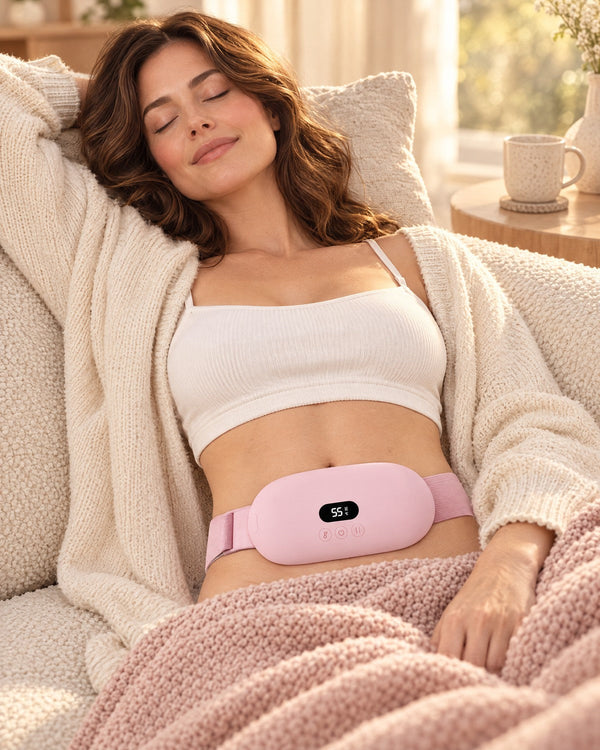
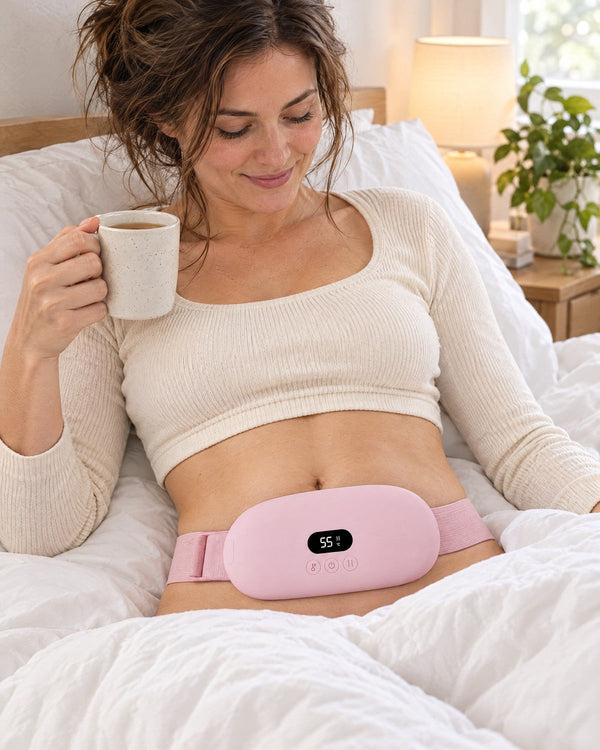
Heavy periods and painful cramps (menstrual cramps) often go together. Warmth on your lower tummy or back from a heat pad or heating pad, gentle movement and anti-inflammatory painkillers such as ibuprofen (Advil, Nurofen), if suitable for you, can help. Find more in our guide on how to ease period cramps at home.
Why iron matters
Losing a lot of blood each month can lower your iron levels over time and may lead to iron deficiency anaemia (anemia). Signs of this can include:
- Tiredness and lack of energy
- Shortness of breath
- Pale skin
- Noticeable heartbeats (palpitations)
- Headaches
Including iron-rich foods in your diet is a good idea, such as red meat, beans and pulses, dark green leafy vegetables, dried fruit, nuts and iron-fortified breakfast cereals. Vitamin C, found in fruit and vegetables, can help your body absorb iron from plant sources, while tea and coffee drunk with meals can make it harder. Our guide to food and drink for period cramps has more on eating well around your period.
If you think you might be low in iron, speak to your GP or doctor. A simple blood test can check, and they can advise whether you need iron tablets rather than guessing.
When to see a GP or doctor
Make an appointment with your GP or doctor (or OB-GYN) if:
- Heavy periods are affecting your daily life, work or sleep
- Your periods have become heavier than usual
- You have heavy periods along with pain, bleeding between periods or after sex
- You have symptoms of anaemia, such as feeling very tired or short of breath
- You have heavy bleeding after the menopause
Before your appointment, keep a note of how often you change products, how many days you bleed and any clots or flooding. Your doctor may examine you, arrange a blood test or an ultrasound scan, and talk to you about treatment. Options can include the hormonal coil (IUS, also called a hormonal IUD), tranexamic acid, anti-inflammatory medicines such as mefenamic acid, or hormonal contraception. If these don't help, you may be referred to a specialist. Our period pain FAQ answers other common questions.
When to get urgent help
As a general guide, go to A&E or call 999 in the UK (or go to the ER or call 911 in the US) if you're bleeding so heavily that you're soaking through a pad or tampon every hour or less for 2 hours or more, or if you feel faint or dizzy. Get emergency help too if you have chest pain, are short of breath, have sudden severe pain, or have heavy bleeding with severe pain and could be pregnant. Contact NHS 111 (UK) or your doctor or an urgent care centre (US) if you're bleeding heavily with a high temperature, or you're unsure what to do.
Common questions
How many pads a day counts as a heavy period?
There is no exact number of pads a day that defines a heavy period, because the NHS focuses on how bleeding affects your life. As a guide, needing to change a pad or tampon every one to two hours, doubling up on products or bleeding through to clothes are signs that a period is heavy.
Are blood clots in period blood normal?
Small blood clots in period blood are common, especially on the heaviest days. Regularly passing clots larger than about 2.5cm, roughly the size of a 10p coin or a US quarter, is one of the signs of heavy periods listed by the NHS. If you often pass large clots, keep a note of them and mention it to your GP or doctor.
Can heavy periods make you tired?
Heavy periods can make you tired, often because losing a lot of blood each month lowers iron levels and can lead to iron deficiency anaemia (anemia). Other signs of anaemia include shortness of breath, pale skin, headaches and noticeable heartbeats. A GP or doctor can arrange a simple blood test to check your iron levels and advise on treatment.
Can fibroids cause heavy periods?
Fibroids are one of the possible causes of heavy periods. Fibroids are non-cancerous growths in or around the womb, and many people with fibroids have no symptoms at all. When fibroids do cause symptoms, these can include heavy or painful periods, tummy pain, lower back pain and needing to wee often. A GP or doctor can arrange an ultrasound scan.
Sources
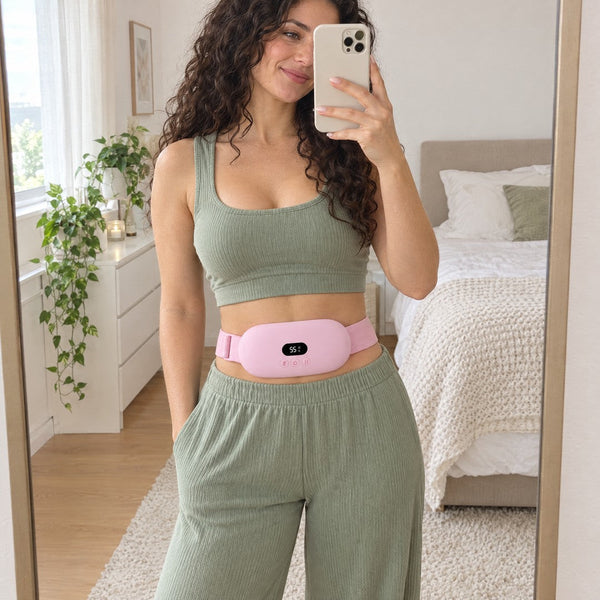
Comfort for the days you'd rather stay in. The Mello Soothe heat and massage belt brings soothing warmth to your tummy or lower back, with 5 heat levels, 5 massage modes and a digital temperature display. It's cordless with USB-C charging and an adjustable strap, so you can rest comfortably on heavy days. Free tracked delivery and a 100-day money-back promise.
This guide is general information, not medical advice. Mello Soothe does not diagnose, treat or cure any condition, and our belt will not change how heavy your periods are. If you are worried about your bleeding, please speak to your GP or doctor.