How Long Do Period Cramps Last? A Day-by-Day Guide
When do period cramps start, when are they worst and how long should they last? Here's what's typical, and when it's worth getting checked.

In this guide
If you're mid-cramp and wondering how much longer this will go on, here's the short answer: for most people, period pain lasts around 2 to 3 days, and the NHS says it usually lasts 48 to 72 hours. It tends to be worst at the start of your period and fades as bleeding gets lighter.
Quick answer
Period cramps (menstrual cramps) usually last 48 to 72 hours. They often start a day or so before bleeding, peak on days 1 and 2 when prostaglandin levels are highest, and fade by day 3 or 4. Cramps that last longer than your period, keep getting worse or stop you working, studying or sleeping are worth checking with a GP or doctor.
A typical timeline
A day or two before your period
Some people feel cramps, bloating, back ache or breast tenderness before any bleeding starts. Your body is already producing prostaglandins, the chemicals that make the womb contract.
Days 1 and 2: the peak
Prostaglandin levels are highest when your period begins, so this is usually when cramps are strongest. Bleeding is often heaviest now too. This is the best time to get ahead of the pain with heat and, if they suit you, painkillers such as ibuprofen (Advil, Nurofen).
Day 3
Cramps usually start to ease as prostaglandin levels drop and bleeding gets lighter.
Days 4 onwards
Most people have little or no cramping by now, though a mild ache can linger.
Everyone's different, and your own pattern might shift over the years, after having children or with changes in contraception. Mayo Clinic in the US describes a similar pattern: cramps can begin a day or so before your period, peak around 24 hours after it starts and ease within two to three days.
Why do some people get worse cramps?
You may be more likely to have painful periods if you:
- Are younger (period pain often eases with age)
- Have heavy periods
- Smoke
- Have a family history of painful periods
- Have an underlying condition such as endometriosis, adenomyosis or fibroids
How to shorten the worst of it
- Start early. Using heat and suitable painkillers as soon as cramps begin tends to work better than waiting.
- Keep steady heat on your tummy. Studies suggest continuous, gentle heat over a few hours works best, whether from a heat pad (heating pad), wrap or belt. (The evidence explained.)
- Move gently. A walk, swim or some stretches can help.
- Rest when you can. Tiredness makes pain feel worse.
Our guide to easing period cramps at home has 10 ideas to try, and our period pain FAQ answers other common questions.
When cramps last longer than they should
See your GP or doctor if:
- Your pain lasts longer than your period, or you get pelvic pain at other times of the month
- Cramps are getting worse over time, or started later in life after years of easier periods
- Pain is severe enough to stop you working, studying or sleeping
- Painkillers and home remedies don't help
- You have very heavy bleeding, bleeding between periods or after sex, or pain during sex
These can be signs of an underlying condition worth checking. See when to see a GP about period pain.
Common questions
Can period cramps last a week?
Period cramps lasting a whole week are less typical, as the NHS says period pain usually lasts 48 to 72 hours. Cramps that regularly last as long as your period, or longer, are worth discussing with a GP or doctor, particularly if they are severe, getting worse or come with heavy bleeding. A mild lingering ache towards the end can be normal.
Why do I have cramps but no period?
Cramps without a period can have several causes, including ovulation pain in the middle of the cycle, premenstrual syndrome before a period starts, or early pregnancy. Conditions such as endometriosis can also cause pelvic pain at other times of the month. Take a pregnancy test if there is any chance you are pregnant, and see a GP or doctor if cramps persist.
How long does ovulation pain last?
Ovulation pain usually lasts from a few minutes to 48 hours, according to the NHS. Ovulation pain is felt on one side of the lower tummy around the middle of the menstrual cycle, roughly 14 days before a period starts. It is usually harmless, but severe pain or pain that lasts longer than this should be checked by a GP or doctor.
Do period cramps get better after having a baby?
Some people find period cramps ease after having a baby, and period pain also tends to improve with age. This does not happen for everyone, and periods can feel different for a while after pregnancy. New or worsening period pain after childbirth is worth mentioning to a GP or doctor, especially if it comes with heavy bleeding or other changes.
Sources
- NHS: Period pain
- NHS: Ovulation pain
- NHS: PMS
- NHS: Endometriosis
- Mayo Clinic: Menstrual cramps
- Akin MD et al. (2001). Continuous low-level topical heat in the treatment of dysmenorrhea. Obstetrics & Gynecology, 97(3), 343–349.
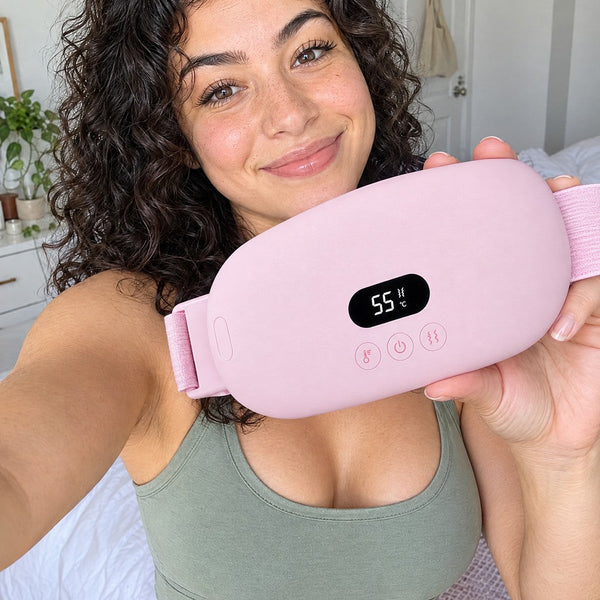
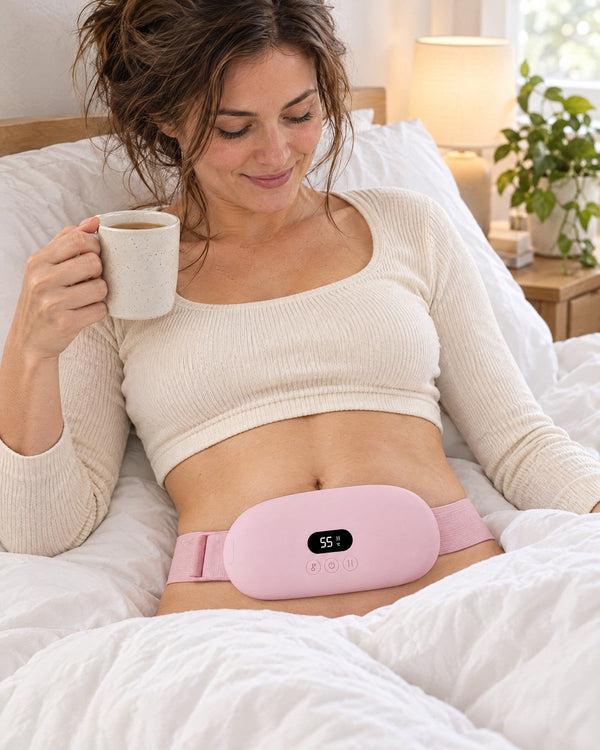
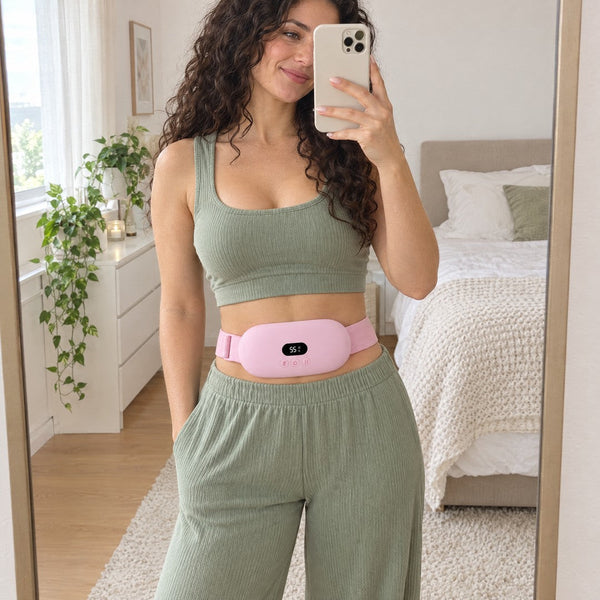
For the worst 48 hours. The Mello Soothe heat and massage belt gives you steady, hands-free heat with 5 levels and 5 massage modes, so you can keep going on the hardest days. Free tracked delivery and a 100-day money-back promise.
This guide is general information, not medical advice. If your period pain is severe, has changed or worries you, speak to your GP, doctor or a pharmacist.