PMS vs Period Cramps: How to Tell the Difference
PMS and period cramps often blur together, but they have different causes and timings. Here is how to tell them apart, what PMDD is and what can help.

In this guide
Bloated, tearful and achy a few days before your period, then hit with cramps as soon as it arrives? You are far from alone. Premenstrual syndrome (PMS) and period cramps often run into each other, so it is easy to lump them together. In fact they are two different things, and knowing which is which can help you choose what to try and when.
Quick answer
PMS is a group of physical and emotional symptoms that usually appear in the days, or up to two weeks, before your period and ease once bleeding starts. Period cramps (menstrual cramps, or primary dysmenorrhoea/dysmenorrhea) are pains in the lower tummy, back or thighs that usually start just before or as your period begins, and are often worst in the first couple of days.
What causes PMS?
The exact cause of PMS isn't fully understood, but the NHS explains that it is thought to be linked to the natural rise and fall of hormones such as oestrogen (estrogen) and progesterone during your menstrual cycle. Some people seem to be more sensitive to these changes than others. Stress, lack of sleep and other health conditions can make symptoms feel worse.
Common PMS symptoms
- Mood swings, irritability or feeling low or anxious
- Bloating and a feeling of fullness
- Sore or tender breasts
- Headaches
- Tiredness or trouble sleeping
- Spots or greasy skin
- Changes in appetite, including cravings
- A general achy or heavy feeling
What causes period cramps?
Period cramps happen when the muscle wall of the womb (uterus) tightens to help shed its lining. This is driven by chemicals called prostaglandins. Higher levels of prostaglandins are linked to stronger contractions, which can briefly reduce the blood supply to the womb and cause that familiar gripping, throbbing pain.
The NHS says period pain often lasts around 48 to 72 hours, although everyone is different. Our day-by-day guide, how long do period cramps last?, goes into more detail.
Common signs of period cramps
- Cramping or aching pain low in the tummy
- Pain that spreads to the lower back or down the thighs (see period lower back pain)
- Pain that comes in waves or is a dull, constant ache
- Sometimes feeling sick, loose stools or lightheadedness alongside the pain
PMS vs period cramps side by side
| PMS | Period cramps | |
|---|---|---|
| When it happens | Days to two weeks before your period | Just before or during your period |
| When it eases | Usually once bleeding starts | Usually within the first few days of bleeding |
| Main symptoms | Mood changes, bloating, breast tenderness, tiredness, headaches | Cramping or aching in the tummy, back or thighs |
| Thought to be linked to | Sensitivity to hormone changes | Prostaglandins causing womb contractions |
| What often helps | Exercise, sleep, regular meals, stress management, tracking symptoms | Heat, painkillers such as ibuprofen, gentle movement, rest |
What about PMDD?
Premenstrual dysphoric disorder (PMDD) is a much more severe form of PMS. It mainly affects mood and mental health in the week or two before a period, and can include intense depression, anxiety, anger, hopelessness or feeling out of control. The key difference is the impact: PMDD can seriously affect relationships, work and day-to-day life, and for some people can bring thoughts of self-harm or suicide.
PMDD is a recognised condition and you deserve proper support. If your symptoms follow your cycle and feel overwhelming, keep a diary for two or three months and book an appointment with your GP or doctor. Organisations such as Mind (in the UK) and the International Association for Premenstrual Disorders (IAPMD) also have helpful information.
If you are having thoughts of harming yourself, please don't wait. In the UK, call Samaritans free on 116 123 at any time, contact NHS 111, or call 999 if you are in immediate danger. In the US, call or text 988 (the Suicide & Crisis Lifeline), or call 911 in an emergency.
What helps PMS?
The NHS suggests a few lifestyle changes that many people find make a difference:
- Move regularly. Walking, swimming, yoga or anything you enjoy can lift mood and ease bloating.
- Eat regularly. Steady meals with plenty of fruit, vegetables and wholegrains can help with energy dips and cravings.
- Prioritise sleep. Aim for a regular bedtime, especially in the run-up to your period.
- Find ways to manage stress. Breathing exercises, time outdoors or simply saying no to extra plans can help.
- Track your symptoms. A diary or app shows patterns, which helps you plan ahead and gives your GP or doctor useful information.
If PMS is still getting in the way, a GP or doctor can talk to you about other options, which may include hormonal contraception (birth control) or, for more severe symptoms, certain antidepressants.
What helps period cramps?
For cramps, the most common home remedies are warmth, over-the-counter painkillers and rest. Heat on your lower tummy or back, from a heat pad, heating pad or hot water bottle, can help relax the muscles and ease pain; you can read more in does heat help period cramps? Other things worth trying include:
- Ibuprofen (Advil, Nurofen) or paracetamol (acetaminophen, Tylenol), following the packet instructions (ask a pharmacist if you're not sure which is right for you)
- Gentle stretches, walking or a warm bath
- Staying hydrated and eating regular meals
- Light tummy massage in circular movements
For more ideas, see our 10 ways to ease period cramps at home, or browse quick answers in our period pain FAQ.
When to see a GP or doctor
Speak to your GP or doctor (or OB-GYN) if:
- PMS or period pain is stopping you from working, studying or doing everyday things
- Your symptoms have changed or got worse
- Painkillers and home remedies aren't helping
- You have very heavy periods, bleeding between periods or pain during sex
- Your mood changes before your period feel severe or frightening
Call 999 in the UK or 911 in the US, or go to A&E or the ER, if you have sudden, severe tummy pain, especially if you could be pregnant. Contact NHS 111 (UK) or your doctor or an urgent care centre (US) if you have pain with a high temperature or feel very unwell.
Common questions
Can PMS cause cramps before your period starts?
PMS can include bloating and a general achy, heavy feeling in the days before a period, which some people describe as cramping. True period cramps usually start just before or as bleeding begins. If you get strong cramps well before your period, or at other times in your cycle, it is worth mentioning to a GP or doctor.
Why is my PMS worse some months?
PMS symptoms can vary from month to month. Stress, poor sleep, illness and changes in routine can all make PMS feel worse in some cycles than others. Tracking symptoms in a diary or app for two or three months helps show patterns, makes it easier to plan ahead and gives a GP or doctor useful information.
Does exercise help PMS?
Regular exercise is one of the lifestyle changes the NHS suggests for PMS. Walking, swimming, cycling or yoga can help lift mood, ease bloating and improve sleep for many people. Exercise does not need to be intense to be worthwhile for PMS, and gentle movement on harder days still counts.
Sources
- NHS: PMS
- NHS: Period pain
- NHS: Heavy periods
- ACOG: Premenstrual syndrome (PMS)
- ACOG: Dysmenorrhea (painful periods)
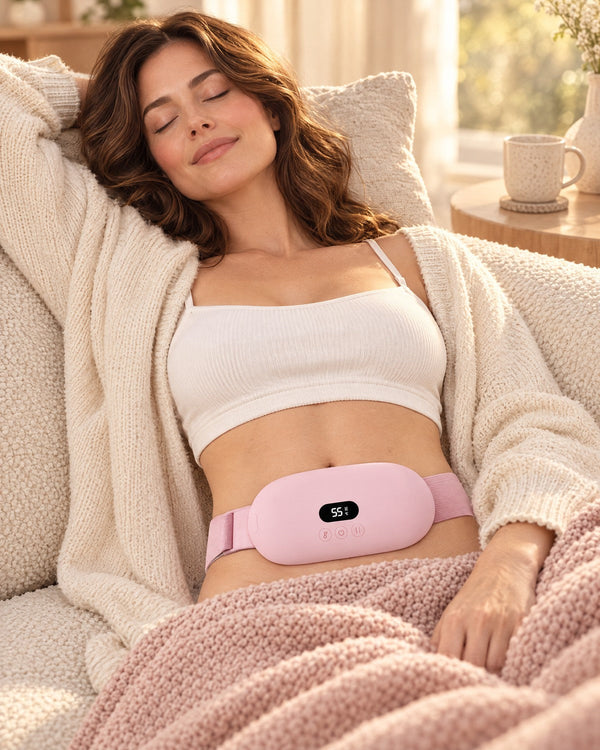
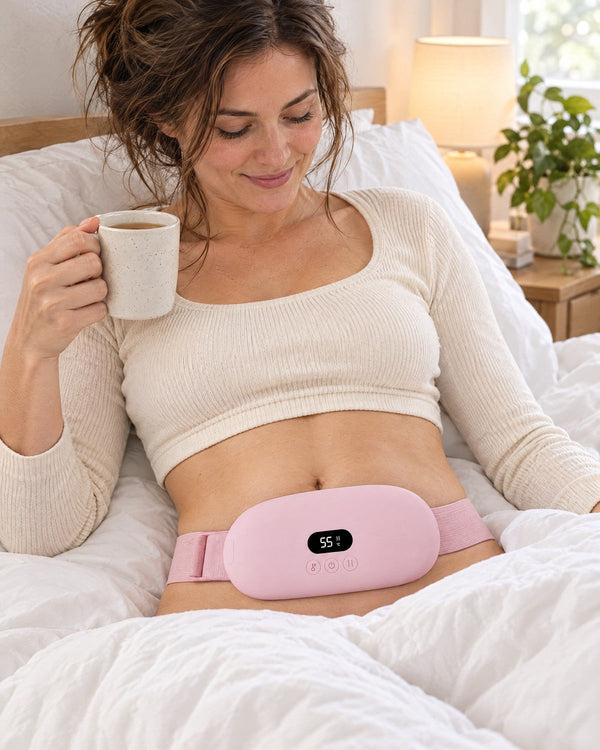
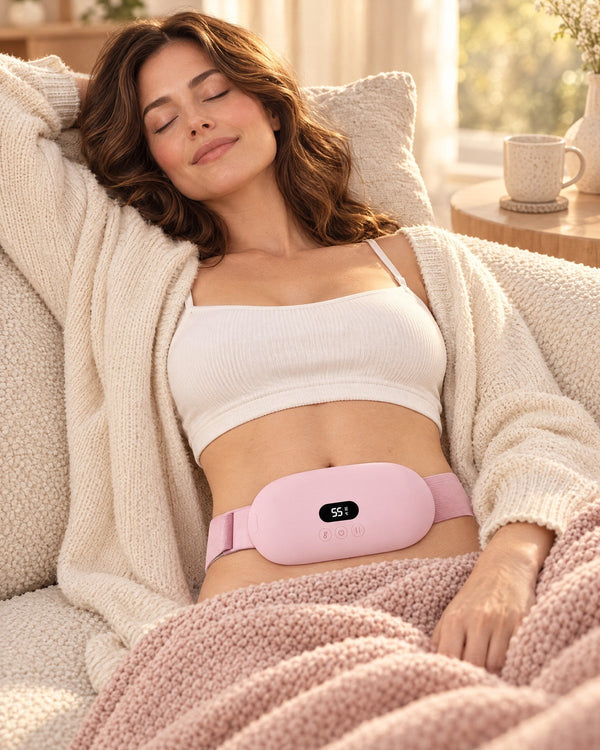
Ready for the cramps when they arrive. The Welmo Soothe heat and massage belt gives you 5 heat levels and 5 massage modes, with a digital temperature display so you can find your comfort zone. It's cordless and charges by USB-C, so you can stay cosy on the sofa or keep moving around the house. Free tracked delivery and a 100-day money-back promise.
This guide is general information, not medical advice. Welmo Soothe does not diagnose, treat or cure any condition. If you are worried about your symptoms or your mental health, please speak to your GP or doctor.