TENS Machine vs Heat for Period Pain: Which Is Better?
TENS machines and heat are two of the most popular drug-free options for period cramps. How they work, what the evidence says, and which might suit you.

In this guide
If you'd rather not rely on painkillers alone for period pain (menstrual cramps), two drug-free options come up again and again: TENS machines and heat. Both are mentioned by the NHS, and both have research behind them. So which is better? It depends on you. Here's a fair comparison.
Quick answer
Both TENS and heat are drug-free options with research behind them for period pain (menstrual cramps). Heat, from a heat pad, heating pad or heated belt, relaxes cramping muscles and feels comforting; one trial found continuous low-level heat worked about as well as ibuprofen. TENS uses mild electrical pulses and suits people who prefer tingling to warmth. Many try both.
How a TENS machine works
TENS stands for transcutaneous electrical nerve stimulation. A small battery-powered unit sends mild electrical pulses through sticky pads placed on your skin, usually on your lower tummy or back. You feel a tingling or buzzing sensation. It's thought to work by interfering with pain signals travelling to the brain and possibly by encouraging the release of endorphins.
How heat works
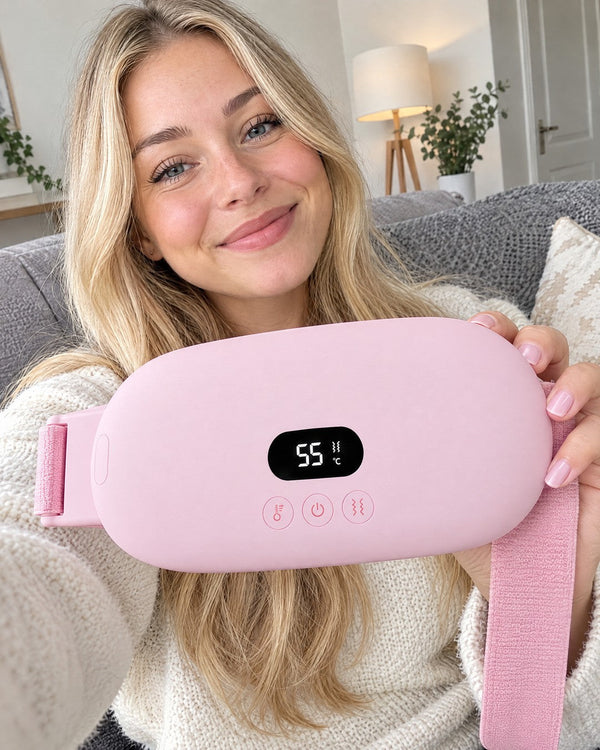
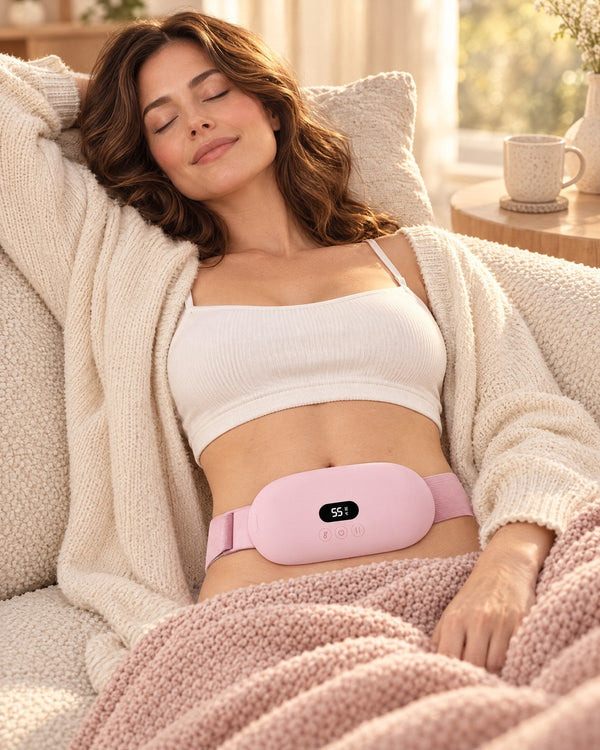
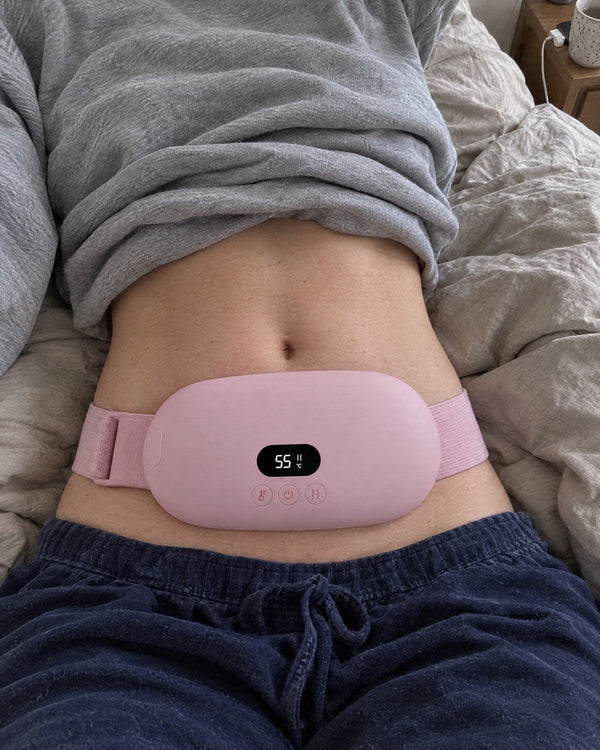
Heat relaxes the muscles that tighten during cramps, increases blood flow to the area and activates heat receptors in the skin that can dampen pain signals. You can get it from a hot water bottle, heat patch, heat pad (heating pad) or wearable heat belt. (The full explanation.)
What does the evidence say?
- Heat: clinical trials have found that continuous, low-level heat on the lower tummy eases period pain, with one well-known study finding it worked about as well as ibuprofen (Advil, Nurofen). A 2018 review of trials also found heat reduced period pain.
- TENS: a Cochrane review found that high-frequency TENS was more effective than a placebo device for period pain. As with heat, many of the studies were small.
In short, both have reasonable support, and neither is a cure-all. Many people find one suits them better than the other.
Side by side
| TENS machine | Heat (pad or belt) | |
|---|---|---|
| How it feels | Tingling or buzzing | Gentle, comforting warmth |
| Setup | Stick pads on, choose a programme | Wrap or strap on, choose a temperature |
| Ongoing costs | Replacement sticky pads | None for rechargeable heat; patches are single-use |
| Discreet? | Usually, under clothes | Usually, under a loose top |
| Who should avoid it | People who are pregnant (unless advised otherwise), have a pacemaker or heart condition, or epilepsy | Take care with reduced skin sensation, broken skin or pregnancy |
Which should you choose?
- Choose heat if you find warmth comforting, want something simple, or don't like the feeling of electrical pulses.
- Choose TENS if heat doesn't help you, or you prefer the tingling sensation.
- Try both. Some people use heat and TENS at different times, or use heat alongside painkillers. Don't put a heat source directly over TENS pads unless the instructions say it's safe.
Whatever you choose, read our guide to using heat safely or follow your TENS machine's instructions, and see a GP or doctor if your pain is severe or getting worse (signs to look out for). Our period pain FAQ has quick answers to other common questions.
What about heat with massage?
Some heat belts, including ours, add vibration massage. This isn't TENS (there are no electrical pulses through the skin), but many people find the gentle vibration plus warmth extra soothing.
Common questions
Can you buy a TENS machine for period pain without a prescription?
Yes, TENS machines can be bought from pharmacies and online without a prescription in both the UK and the US. The NHS suggests speaking to a GP, doctor or physiotherapist (physical therapist) before using a TENS machine, especially if you have a health condition, a pacemaker or epilepsy, or are pregnant, so that you know whether TENS is suitable and how to use it.
Where do you put TENS pads for period pain?
TENS pads for period pain are usually placed on the lower tummy or the lower back, around the area where the cramps are felt. Always follow the instructions that come with the TENS machine, never place pads over broken or irritated skin, and avoid the front and sides of the neck.
Is heat or ibuprofen better for period cramps?
Heat and ibuprofen can both ease period cramps, and one well-known clinical trial found continuous low-level heat on the lower tummy worked about as well as ibuprofen. Many people use both together. Ibuprofen is not suitable for everyone, so ask a pharmacist first if you have asthma, stomach problems or another health condition.
Does a TENS machine work for endometriosis pain?
TENS may help some people with endometriosis pain, but the evidence is limited, and most research on TENS has focused on ordinary period pain rather than endometriosis. TENS is drug-free and low-risk for most people, so it can be worth trying alongside the treatment plan agreed with a GP, doctor or specialist.
Sources
- NHS: TENS
- NHS: Period pain
- ACOG: Dysmenorrhea (painful periods)
- Akin MD et al. (2001). Continuous low-level topical heat in the treatment of dysmenorrhea. Obstetrics & Gynecology, 97(3), 343–349.
- Jo J, Lee SH (2018). Heat therapy for primary dysmenorrhea: a systematic review and meta-analysis. Scientific Reports, 8, 16252.
- Proctor ML et al. (2002). Transcutaneous electrical nerve stimulation and acupuncture for primary dysmenorrhoea. Cochrane Database of Systematic Reviews.
Heat plus massage, no sticky pads. The Mello Soothe heat and massage belt combines 5 heat levels with 5 vibration massage modes in one cordless belt. Free tracked delivery and a 100-day money-back promise.
This guide is general information, not medical advice. Check with your GP, doctor or pharmacist before using a TENS machine or heat if you have a health condition or are pregnant.