Period pain at school, college and uni: how to cope
Practical ways to cope with period pain at school, sixth form, college or uni (high school or college in the US), from what to pack to getting support with exams.

In this guide
Sitting through double maths, a lecture or an exam with period pain is hard, and it can feel awkward to say anything. Whether you're at school, sixth form, college or uni in the UK, or high school or college in the US, these are practical ways to get through the day.
Quick answer
To cope with period pain at school, college or uni, take ibuprofen (Advil/Nurofen) or paracetamol (acetaminophen/Tylenol) early, use discreet heat, pack spares, and tell a trusted teacher, school nurse or student support team. Ask about toilet passes and exam support if pain affects you. If period pain regularly makes you miss classes, see a GP or doctor.
Pack a period kit
A small pouch in your bag takes a lot of the stress away. Useful things to keep in it:
- Pads, tampons, period pants or a cup, plus a spare
- Painkillers, if your school or college allows you to carry them (some schools ask you to hand medicines to the office or nurse, so check the rules)
- A water bottle and a snack, as low blood sugar can make you feel worse
- Spare underwear and wipes
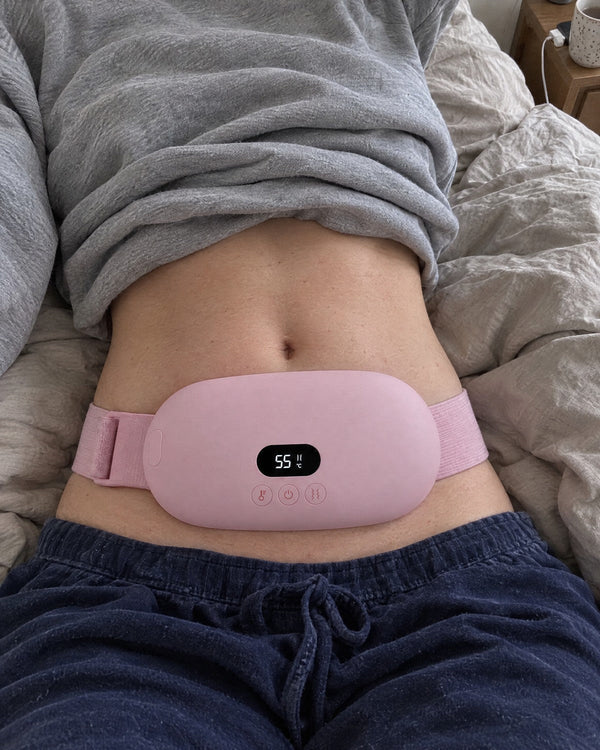
- Stick-on heat patches or a small wearable heat pad
Get ahead of the pain
Painkillers work better if you take them as soon as cramps start, rather than when they're at their worst. Ibuprofen is often recommended for period pain because it lowers prostaglandins, the chemicals that make the womb contract. If you're under 16, or have asthma or a stomach problem, check with a pharmacist, parent or doctor which painkiller and dose suits you, and always follow the packet.
Tracking your cycle with an app means you can often guess when your heaviest, crampiest days will be, and plan for them: a lighter bag, comfy clothes, or doing coursework ahead of time.
Using heat in class
Heat is one of the simplest ways to ease cramps, and the NHS suggests it for period pain. You can't bring a hot water bottle into a lecture, but you can:
- Wear stick-on heat patches on your underwear or clothes (not directly on skin, unless the pack says so)
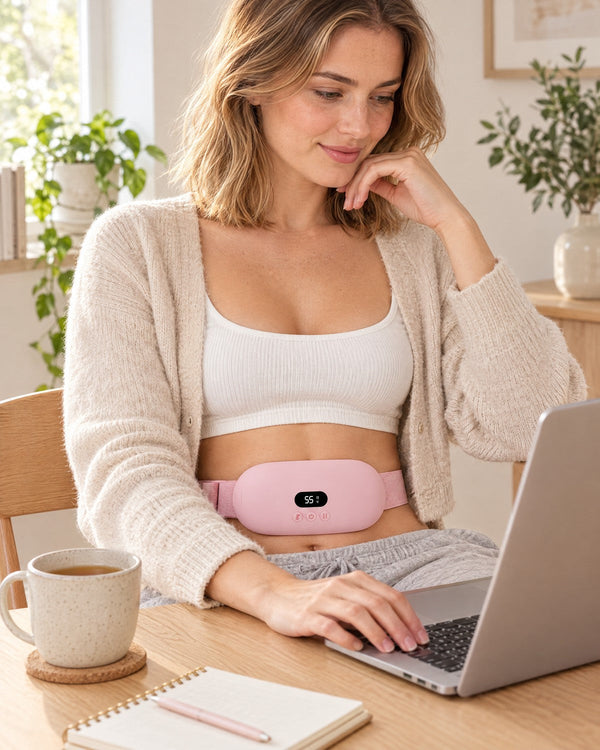
- Use a cordless heated belt under a loose top, on low to medium heat
- Fill your water bottle with warm water and hold it on your tummy in breaks
Keep heat at a comfortable level and take breaks from it, especially if you're sitting still for a long time. Our heat pad safety guide explains how to avoid burns.
Who to tell, and what to say
You don't have to give details. A simple “I've got bad period pain today, can I go to the toilet when I need to?” is enough for most teachers and lecturers. Options include:
- At school or sixth form: a form tutor, head of year, school nurse or pastoral team. Many schools can give you a toilet pass or let you sit out of PE on bad days.
- In US high school: the school nurse or a counselor. For ongoing conditions such as endometriosis, families can ask about support under a Section 504 plan.
- At college or uni: your personal tutor, student support, wellbeing or disability services (often called accessibility or disability services in the US).
If talking face to face feels awkward, an email works too. Parents or carers can also contact school for you.
Exams and deadlines
If period pain hits on an exam day, tell the exam officer or invigilator before you start if you can. In the UK, schools and colleges can apply for special consideration if you're unwell during an exam, and students with a diagnosed long-term condition may be eligible for access arrangements, such as rest breaks. At uni, look up the extenuating or mitigating circumstances process for missed deadlines or exams. In the US, colleges usually handle this through disability or accessibility services, and high schools through a 504 plan or the school counselor.
Rules vary between schools, exam boards and universities, so ask early, ideally before exam season, and keep any doctor's notes.
When to see a GP or doctor
Period pain that makes you miss school, college or lectures regularly isn't something you just have to put up with. See your GP or doctor (or a paediatrician or OB-GYN in the US) if painkillers don't help, your periods are very heavy, you feel faint or sick with them, or the pain is getting worse. There are treatments that can help, and conditions like endometriosis can start in your teens. Our guides to period pain in teenagers and when to see a GP about period pain explain more.
Get urgent help (999 in the UK, 911 in the US, or A&E/the ER) for sudden severe pain, fainting, or severe pain when you could be pregnant. For pain with a fever, call NHS 111 or your doctor the same day.
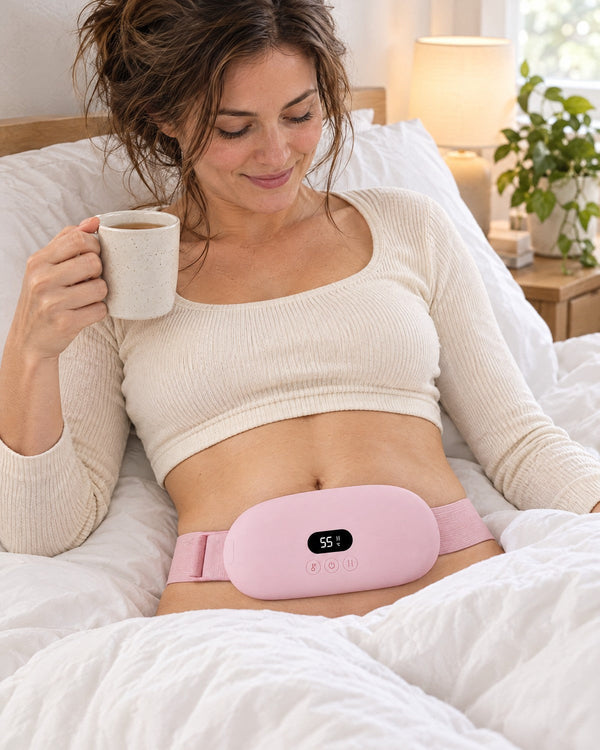
If you want hands-free heat: the Welmo Soothe heat and massage belt is cordless and rechargeable by USB-C, with 5 heat levels (45–65°C / 113–149°F) and 5 massage modes. It's worn on bare skin and sits slim under a loose top, so it works for long revision sessions, lectures or days at home on your worst days. Free tracked delivery and 100 days to send it back.
Common questions
Can I go home from school with period pain?
If the pain is bad, speak to the school nurse, office or a teacher. They can contact a parent or carer and decide with you whether you should go home. If it happens often, see a GP or doctor.
How do I tell a male teacher I have period pain?
You can keep it short: “I'm not feeling well, I've got period pain.” Teachers hear this a lot. If you'd rather not, ask a female member of staff, the school nurse or email your tutor.
Can I use a heating pad at school or uni?
Stick-on heat patches and cordless heated belts are discreet and usually fine, but check any school rules on electrical items. Keep the heat at a comfortable level and take breaks. More on our period pain FAQ.
Can I get extra time in exams for period pain?
It depends on your school, exam board or university and whether you have a diagnosed condition. Ask your exams officer, tutor or student support team as early as possible, and keep any medical evidence.
This guide is general information, not medical advice. If your pain is severe, getting worse or worrying you, speak to a doctor.