Cramps After a Coil (IUD) Fitting: What's Normal and What Helps
What's normal after a coil (IUD or IUS) fitting, how long cramps usually last, what eases them, and when to get help.

In this guide
Cramping during and after having a coil (IUD) fitted is very common, and for most people it settles within days. Here is what's normal, what helps, and the signs that mean you should contact your clinic or doctor.
Quick answer
Period-like cramps and light bleeding are common for a few days after a coil (IUD) fitting, as the womb reacts to the device. Ibuprofen or paracetamol, heat on the lower tummy and rest usually help. With a copper coil, heavier, more painful periods can continue for a few months. Severe pain, fever, unusual discharge or pain during sex should be checked promptly.
Why a coil fitting causes cramps
To fit a coil, a clinician passes a small T-shaped device through the cervix into the womb. The cervix and womb are sensitive to this, and the womb muscle often responds by contracting, which feels like period pain. Many people feel a sharp cramp during the fitting itself, then a dull ache that eases over the following hours and days.
There are two main types:
- Copper coil (IUD). Hormone-free. The NHS notes it can make periods heavier, longer or more painful, especially in the first few months.
- Hormonal coil (IUS), such as Mirena in the UK and US. It releases a progestogen and often makes periods lighter and less painful over time, though irregular bleeding and spotting are common in the first months.
What's normal, and for how long
- The first day or two: period-type cramps, sometimes strong, plus light bleeding or spotting.
- The first week or so: cramps usually ease off, though an ache can come and go.
- The first three to six months: irregular bleeding is common with a hormonal coil; heavier or more painful periods are common with a copper coil. These often settle as your body adjusts.
If cramps are getting worse rather than better, or are still strong weeks after fitting, that's worth checking.
What helps cramps after a fitting
- Take pain relief. Many clinics suggest taking ibuprofen (Advil/Nurofen) or paracetamol (acetaminophen/Tylenol) about an hour before your appointment and continuing afterwards as needed. Follow the label and your clinic's advice.
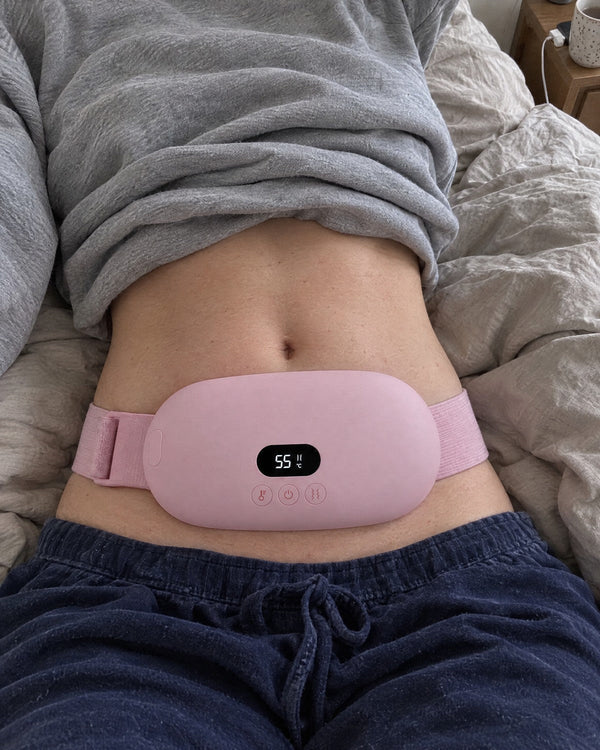
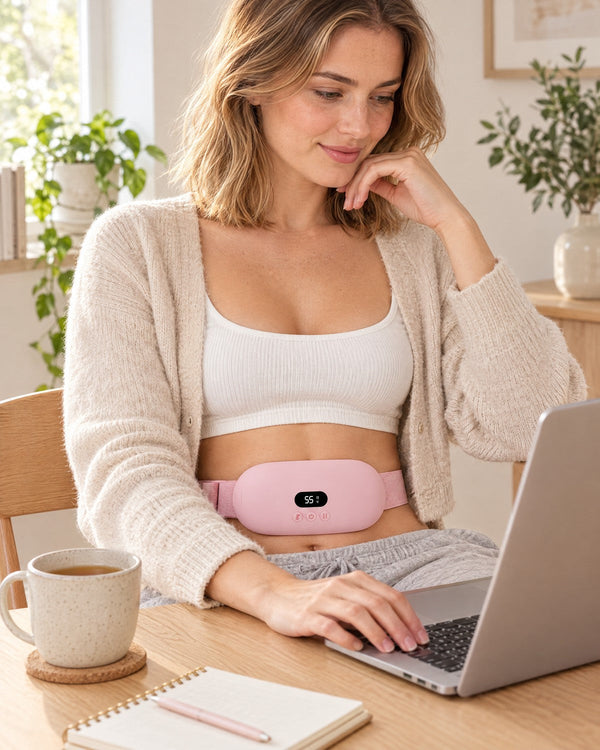
- Use heat. A heating pad or heat pad, hot water bottle or heated belt on the lower tummy or lower back can ease cramping. Keep it warm and comfortable, take a break every 20 to 30 minutes and check your skin. An external heat source sits on the skin, well away from the coil itself, but if you have any doubts, ask your clinic.
- Plan a quiet afternoon. If you can, avoid booking anything demanding straight after your fitting. Some people feel faint or a bit wobbly for a short time afterwards.
- Rest in a comfortable position. Lying on your side with knees drawn up, or on your back with a pillow under your knees, often helps. See how to sleep with period cramps for night-time tips.
- Move gently. A short walk once the first ache passes can help some people feel better.
Checking your threads
A coil has two fine threads that sit at the top of the vagina. Your clinic will explain how to feel for them. It's a good habit to check after your first period and then every so often. Contact your clinic, and use extra contraception such as condoms in the meantime, if you can't feel the threads, they feel longer or shorter than before, or you can feel the hard part of the coil.
When to get help
Contact your GP, sexual health clinic or doctor (or OB-GYN in the US) if:
- Pain is getting worse rather than better, or doesn't ease with pain relief
- You have a high temperature, chills or feel generally unwell
- You notice unusual or smelly vaginal discharge
- You have pain during sex or bleeding after sex
- Your threads have changed, or you think the coil has moved or come out
- You have very heavy bleeding
The NHS notes there is a small risk of pelvic infection, mainly in the first few weeks after fitting, which is why fever, discharge and worsening pain need checking promptly.
Get urgent help (999 in the UK or 911 in the US, or A&E/ER) if you have sudden, severe tummy pain, feel faint, or have pain and think you could be pregnant. NHS 111 can advise if you're not sure.
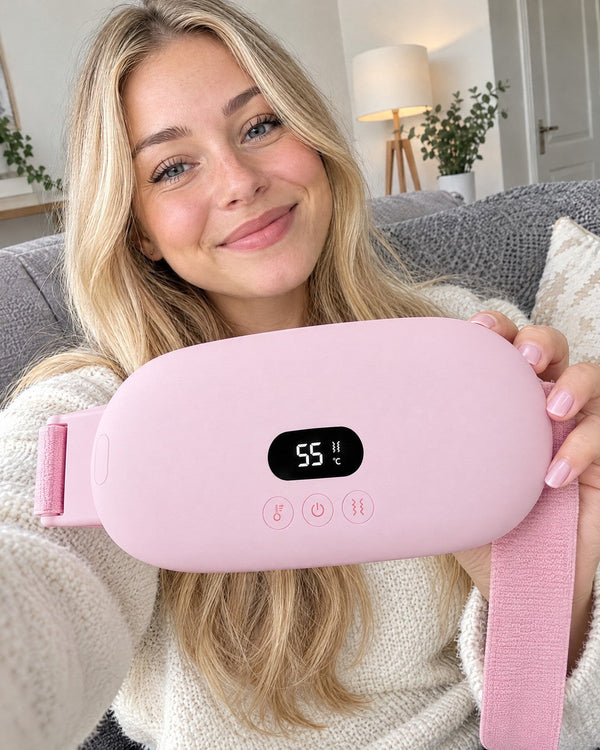
If you want hands-free heat: the Welmo Soothe heat and massage belt is cordless and worn on bare skin, with 5 heat levels (45–65°C / 113–149°F), 5 massage modes and a digital temperature display. It charges by USB-C, so it's easy to pop on for the journey home from the clinic or while you rest afterwards. Free tracked delivery and 100 days to send it back.
Common questions
How long do cramps last after a coil fitting?
For most people, the strongest cramps settle within a few days, with occasional aches for a week or two. With a copper coil, heavier and more painful periods can continue for a few months. Cramps that get worse, or come with fever, need checking.
Can I use a heating pad after IUD insertion?
Many people use a heating pad or heated belt on the lower tummy to ease cramps after a fitting. Keep it on a comfortable setting, take breaks, and check with your clinic if you're unsure.
Is it normal to bleed after a coil fitting?
Light bleeding or spotting for a few days is common, and irregular bleeding can continue for a few months, especially with a hormonal coil. Very heavy bleeding, or bleeding with pain and fever, should be checked.
Will my periods be more painful with a copper coil?
They can be, especially in the first few months. If period pain stays bad, talk to your doctor or clinic, as a hormonal coil or another method might suit you better. Our period pain FAQ and period pain after coming off the pill may also help.
This guide is general information, not medical advice. If your pain is severe, getting worse or worrying you, speak to a doctor.