Primary vs Secondary Dysmenorrhoea (Dysmenorrhea)
The difference between ordinary period pain and period pain caused by an underlying condition, and how to tell when to see a doctor.

In this guide
Doctors often split period pain into two types: primary and secondary dysmenorrhoea (dysmenorrhea in the US). Knowing which one you might have helps you understand whether your cramps are "just periods" or a sign to look a little deeper.
Quick answer
Primary dysmenorrhoea is ordinary period pain with no underlying condition. It usually starts within a year or two of your first period and often eases with age. Secondary dysmenorrhoea is period pain caused by something else, such as endometriosis, adenomyosis, fibroids or infection. It often starts later, gets worse over time or lasts beyond your period, and should be checked by a doctor.
What is primary dysmenorrhoea?
Primary dysmenorrhoea is the medical name for common period pain (menstrual cramps). During a period, the lining of the womb releases chemicals called prostaglandins, which make the womb muscle tighten to shed the lining. Higher levels of prostaglandins mean stronger contractions and more pain.
Typical features include:
- It starts in the teenage years, usually within the first year or two of periods
- Cramping pain in the lower tummy, sometimes spreading to the lower back and thighs
- Pain that begins just before or as bleeding starts and lasts around one to three days
- It often becomes milder in your 20s and, for some people, after giving birth
Primary period pain can still be very painful. "No underlying cause" doesn't mean it isn't real or doesn't deserve treatment. Our guide to period pain in teenagers covers this stage in more detail.
What is secondary dysmenorrhoea?
Secondary dysmenorrhoea is period pain caused by a condition affecting the womb or pelvis. Common causes include:
- Endometriosis, where tissue like the womb lining grows outside the womb
- Adenomyosis, where that tissue grows into the muscle wall of the womb (see adenomyosis vs endometriosis)
- Fibroids, non-cancerous growths in or around the womb (see fibroids pain relief at home)
- Pelvic inflammatory disease (PID), an infection of the womb, fallopian tubes or ovaries
- A copper coil (IUD), which can make periods heavier and more painful for some people
Signs that point towards secondary period pain include pain that starts later in life (for example in your 20s, 30s or 40s), pain that's getting worse each cycle, pain that starts days before bleeding or lasts after it ends, and other symptoms such as heavy bleeding, pain during sex, or bleeding between periods.
Primary vs secondary at a glance
| Primary | Secondary | |
|---|---|---|
| Cause | Prostaglandins and womb contractions, with no other condition | An underlying condition such as endometriosis, adenomyosis, fibroids or infection |
| When it usually starts | Soon after periods begin | Often later, after years of easier periods |
| How it changes | Often eases with age | Often gets worse over time |
| Timing in the cycle | Just before and during the first days of bleeding | Can start earlier and last longer than the period |
| Other symptoms | Sometimes nausea, tiredness, loose stools | May include heavy bleeding, pain during sex, bleeding between periods, pelvic pain at other times |
How each is usually managed
For primary dysmenorrhoea, the NHS and US sources such as ACOG generally recommend a mix of:
- Anti-inflammatory painkillers such as ibuprofen (Advil/Nurofen), ideally started at the first sign of pain
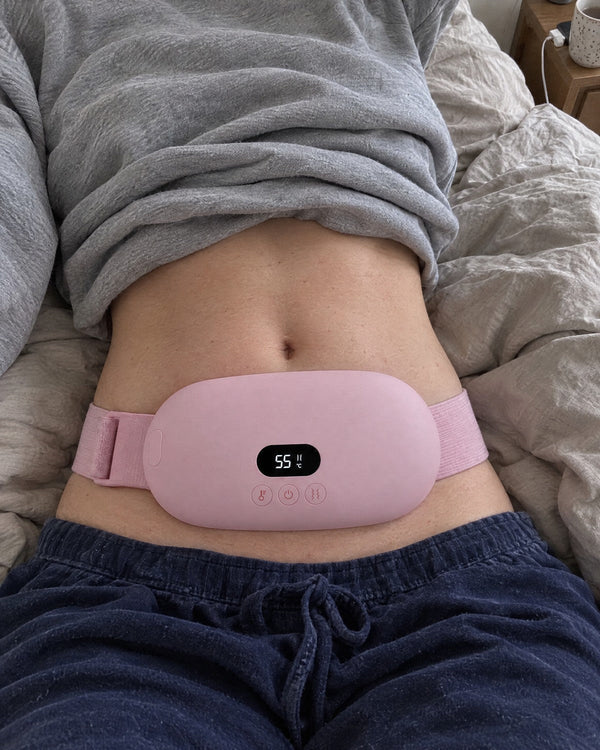
- Heat on the lower tummy or back, such as a heating pad or heat pad, hot water bottle or heated belt
- Regular gentle exercise
- Hormonal contraception, which a doctor may suggest if other measures aren't enough
You can read more in how to ease period cramps at home.
For secondary dysmenorrhoea, the same comfort measures can still help day to day, but the main goal is finding and treating the cause. That might mean scans, tests for infection, or a referral to a gynaecologist, and treatment depends on what's found.
When to see a doctor
See your GP or doctor (or OB-GYN in the US) if:
- Your period pain started or got noticeably worse after years of easier periods
- Pain relief and heat don't help, or the pain stops you working, studying or sleeping
- You have pain between periods, during or after sex, or when going to the toilet
- You have heavy bleeding, bleeding between periods or after sex, or unusual discharge
Get urgent help (999 in the UK or 911 in the US, or A&E/ER) for sudden severe pelvic pain, pain with a high temperature, fainting, or pain when you could be pregnant. NHS 111 can advise if you're unsure. See when to see a GP about period pain for more.
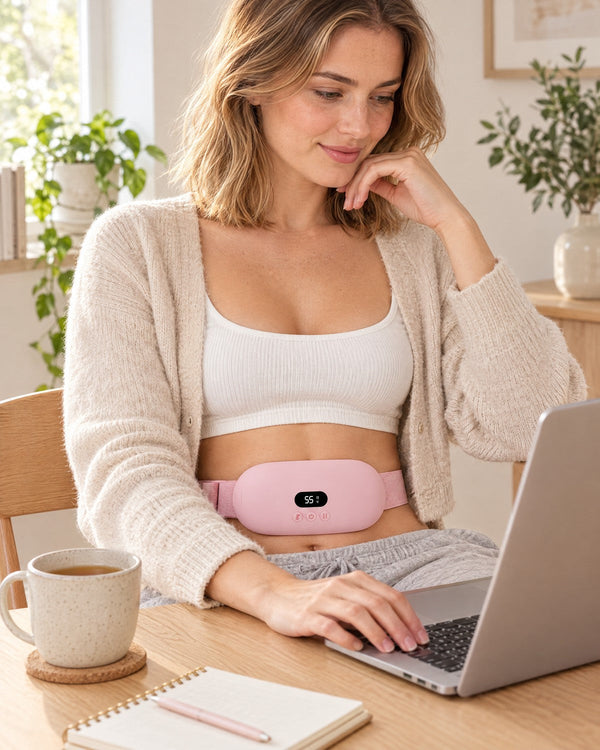
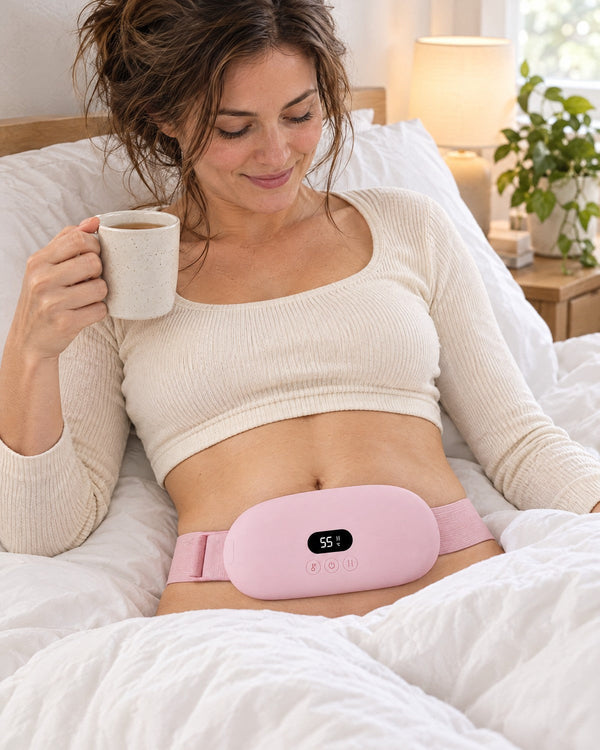
If you want hands-free heat: the Mello Soothe heat and massage belt is a cordless belt worn on bare skin, with 5 heat levels (45–65°C / 113–149°F), 5 massage modes, a digital temperature display and USB-C charging. Whatever kind of period pain you have, it's an easy way to add steady warmth while you get on with your day. Free tracked delivery and 100 days to send it back.
Common questions
How do I know if my period pain is primary or secondary?
You can't be sure on your own, but timing is a strong clue. Pain that started with your first periods and stays similar is more likely primary; pain that starts later or keeps getting worse is more likely secondary. A doctor can help work it out.
Can primary dysmenorrhoea turn into secondary?
Primary pain doesn't turn into a condition, but you can develop a condition such as endometriosis or fibroids later in life. That's why a change in your usual pattern of pain is always worth mentioning to a doctor.
Is secondary dysmenorrhoea serious?
Its causes are often very treatable, but they do need diagnosing. Some, like infection, need prompt treatment, so don't put off an appointment if your pain has changed.
Does heat help both types?
Heat can ease cramping and muscle tension whatever the cause, which is why it's widely used for both. It eases the symptoms rather than the cause, so with secondary pain it works best alongside medical treatment. Our period pain FAQ has more.
This guide is general information, not medical advice. If your pain is severe, getting worse or worrying you, speak to a doctor.