Endometriosis Flare-Up: What Helps at Home
Practical ways to get through an endometriosis flare-up at home, how to plan for flare days, and the signs that mean you should see a doctor.

In this guide
An endometriosis flare-up can arrive with little warning and take over a whole day, or several. Here is what tends to help at home, how to plan for flare days, and the signs that mean you should speak to a doctor rather than ride it out.
Quick answer
During an endometriosis flare-up, most people find comfort in steady warmth on the lower tummy or back, pain relief taken early as advised by a doctor or pharmacist, rest in a comfortable position, gentle movement once the worst passes, and fluids. Heat does not treat endometriosis, but it can ease muscle tension and take the edge off cramping while you wait for other measures to work.
What a flare-up actually is
Endometriosis is a long-term condition where tissue similar to the lining of the womb grows elsewhere, usually around the pelvis. That tissue responds to your monthly hormones, which can cause inflammation, pain and, over time, scar tissue. A "flare" is simply a period of worse symptoms. For many people it lines up with their period or ovulation, but flares can also follow a busy week, poor sleep, sex, a long journey or a stomach upset.
Symptoms during a flare often include deep pelvic pain, lower back pain, pain that spreads into the legs, bloating (sometimes called "endo belly"), nausea, bowel or bladder pain and heavy tiredness. You can read more about the condition in our endometriosis comfort tips and our guide to adenomyosis vs endometriosis.
Seven things that help during a flare
- Start pain relief early. Anti-inflammatory painkillers such as ibuprofen (Advil/Nurofen) tend to work better taken at the first sign of pain than once it peaks. Paracetamol (acetaminophen/Tylenol) is an alternative for some people. Always follow the label, and check with a pharmacist or doctor if you have asthma, stomach problems or take other medicines.
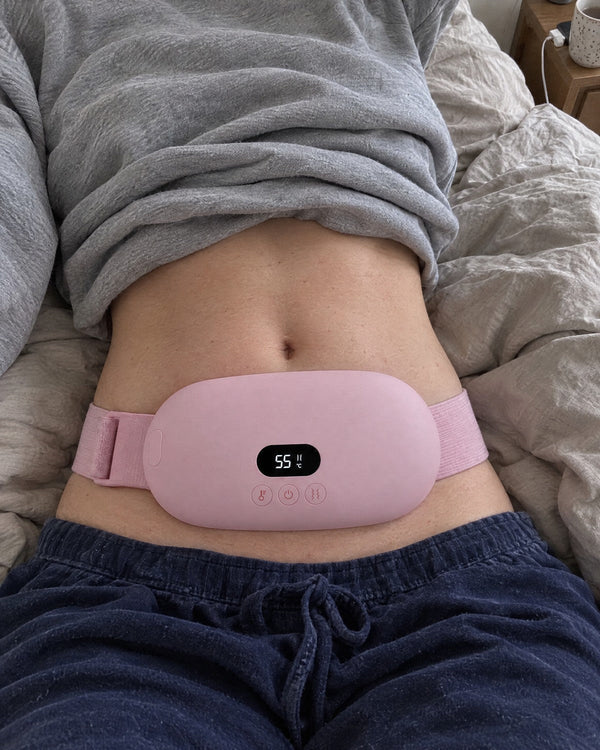
- Add steady heat. A heating pad or heat pad, hot water bottle or heated belt on the lower tummy or lower back can relax tight muscles. Aim for warm and comfortable, not hot, in sessions of around 20 to 30 minutes with breaks to check your skin.
- Find a position that takes the pressure off. Many people find lying on their side with knees drawn up, or on their back with a pillow under the knees, eases pelvic pain.
- Loosen everything. Bloating can make waistbands painful. Soft, high-waisted loungewear helps.
- Eat little and often. Small, plain meals and plenty of water can help if you feel sick or bloated. Our guide to food and drink for period cramps has ideas.
- Move gently once you can. A slow walk or a few gentle stretches can help some people, but rest is fine if movement makes it worse.
- Breathe slowly. Long, slow out-breaths (breathe in for four, out for six) can help when pain makes your whole body tense.
Using heat safely on flare days
Flare days are often long, and it is tempting to keep heat on all day. A few simple rules keep it comfortable:
- Start on a low setting and only turn it up if you need to.
- Take breaks every 20 to 30 minutes and look at your skin. Redness that does not fade, blotchy or mottled skin, or soreness means stop.
- Do not fall asleep with a heat source switched on.
- Be extra careful if you have reduced feeling in your skin or have taken strong painkillers that make you drowsy.
Our heat pad safety guide goes into more detail.
Planning ahead for the next flare
Flares are easier to cope with when the basics are ready before you need them:
- Keep a "flare kit" in one place: painkillers you have been advised to take, a charged heat source, a water bottle, snacks, a soft blanket and comfortable clothes.
- Track your symptoms for a few cycles. Many people spot patterns, such as flares around ovulation or after certain foods, and a diary is useful at medical appointments too.
- Talk to work or college about flexible options on bad days. Our guide to period pain at work covers how to approach that conversation.
- Ask your doctor about a longer-term plan. Hormonal treatments, specialist pain management and surgery are all options a doctor may discuss, and the right plan can mean fewer and milder flares.
When a flare needs a doctor
Living with endometriosis can make it hard to know when pain is "your normal" and when it is something else. Speak to your GP or doctor (or OB-GYN in the US) if:
- Your flares are becoming more frequent, longer or more severe.
- Your usual pain relief no longer helps.
- You have new symptoms, such as blood in your wee or poo, or pain in a new place.
- You are missing work, school or social life regularly because of pain.
Get urgent help (call 999 in the UK or 911 in the US, or go to A&E/ER) if you have sudden, severe pain that is different from your usual flares, pain with a high temperature, fainting, very heavy bleeding, or pain and a chance you could be pregnant. If you are unsure, NHS 111 in the UK can advise.
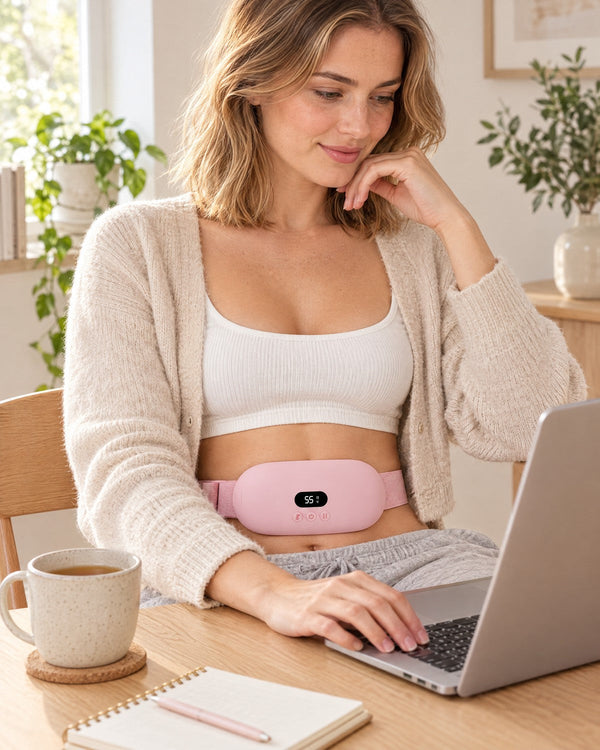
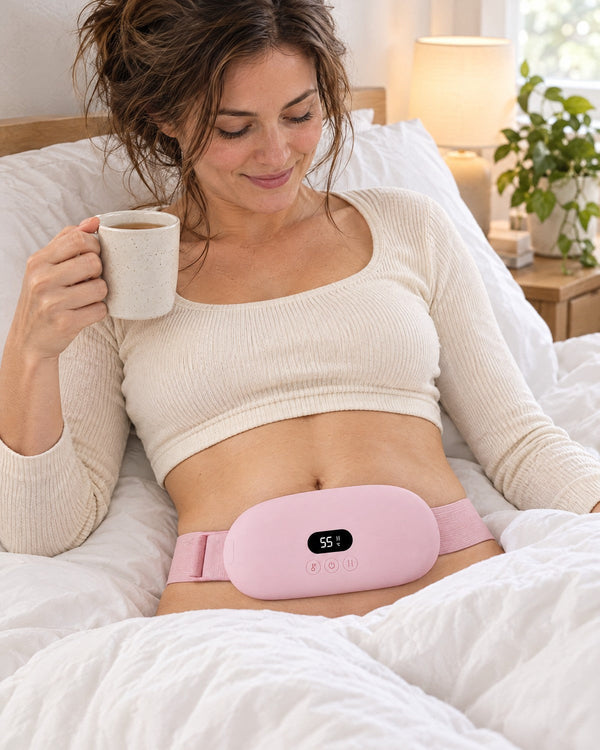
If you want hands-free heat: the Welmo Soothe heat and massage belt is a cordless, USB-C rechargeable belt worn on bare skin, with 5 heat levels (45–65°C / 113–149°F), 5 massage modes and a digital temperature display, so you can rest, potter about or work through a flare without a cable. It is designed to ease discomfort, not to treat endometriosis. Free tracked delivery and 100 days to send it back.
Common questions
How long does an endometriosis flare-up last?
It varies a lot. Some flares last a few hours, others several days, often around a period or ovulation. If flares are getting longer or you rarely have pain-free days, that is worth raising with your doctor.
Is heat good for endometriosis pain?
Many people with endometriosis find warmth on the lower tummy or back comforting, as heat can relax tense muscles and ease cramping. It does not treat the condition itself, so it works best alongside the treatment plan you agree with your doctor.
Should I rest or move during a flare?
Both can help at different points. Rest during the worst of the pain, then try gentle movement such as a short walk or light stretching if it feels manageable. Stop anything that makes the pain sharper.
Can a flare-up be an emergency?
Usually not, but sudden severe pain that feels different from your normal, pain with fever or fainting, or pain when you could be pregnant needs urgent medical help. Our period pain FAQ covers more warning signs.
This guide is general information, not medical advice. If your pain is severe, getting worse or worrying you, speak to a doctor.