Period pain getting worse? What it can mean and what to do
Why period pain (menstrual cramps) can get worse over time, what to track, and when to see a GP or doctor.

In this guide
If your periods used to be manageable and now leave you curled up, or each cycle seems a little worse than the last, that change is worth paying attention to. Here's what can cause worsening period pain and how to get it looked at.
Quick answer
Period pain that gets worse over months or years is not something you just have to live with. It can be linked to conditions such as endometriosis, adenomyosis, fibroids, pelvic infection or a coil (IUD), and is a good reason to see a GP or doctor. Keep a pain diary to take along. Sudden severe pain, fever, fainting or possible pregnancy needs urgent help.
Is it normal for period pain to change?
Periods do change through life. Many people find cramps are worst in their teens and early twenties and ease with age or after having a baby. Hormonal contraception often makes periods lighter and less painful, and stopping it can bring the old pain back (see period pain after coming off the pill).
What's less typical is pain that steadily builds over time, starts lasting longer, begins earlier before bleeding, or no longer responds to painkillers. That's the pattern doctors call secondary dysmenorrhoea (dysmenorrhea): period pain caused by something else. Our guide to primary vs secondary dysmenorrhoea explains the difference.
Possible causes of worsening period pain
- Endometriosis: tissue similar to the womb lining grows elsewhere in the pelvis. It often causes period pain that worsens over time, pain during or after sex, painful bowel movements and pelvic pain between periods.
- Adenomyosis: the womb lining grows into the muscle wall. It's more often found in people in their 30s and 40s and tends to cause heavy, painful periods.
- Fibroids: non-cancerous growths in or around the womb that can grow over time, bringing heavier bleeding, pressure and pain.
- Pelvic inflammatory disease (PID): an infection of the womb, tubes or ovaries, often from an STI, that can cause ongoing pelvic pain.
- A copper coil (IUD): can make periods heavier and more painful, particularly in the first months.
- Perimenopause: in your 40s, shifting hormones can bring heavier, more irregular and sometimes more painful periods.
Having one of these risk patterns doesn't mean you have a condition. It means it's worth getting checked properly.
Red flags: get help quickly
Call 999 in the UK or 911 in the US, or go to A&E (the ER), if you have:
- Sudden, severe pain, especially on one side
- Pain with fainting, dizziness or a racing heart
- Severe pain and you could be pregnant, or have a positive test. This can be a sign of ectopic pregnancy
- Bleeding so heavy you're soaking through a pad or tampon every hour
Call NHS 111 in the UK, or your doctor or urgent care in the US, the same day if pelvic pain comes with a fever, unusual discharge or pain when you pee.
Track it before your appointment
Worsening pain is easier to explain with notes. For two or three cycles, record:
- When the pain starts and stops, in relation to bleeding
- How bad it is, from 0 to 10, at its worst
- Where you feel it: tummy, back, legs, bowel, during sex
- How heavy your bleeding is, including clots or flooding
- What you've taken and whether it helped
- Days missed from work, school or plans
A period tracking app works well, or a simple note on your phone.
What to expect from a GP or doctor
Your GP or doctor (or OB-GYN) will usually ask about your symptoms and history and may offer an examination, tests for infection or an ultrasound scan. They may suggest treatment options such as different painkillers or hormonal contraception, or refer you to a gynaecologist (gynecologist). If you feel you're not being heard, it's fine to ask for a second opinion, or to ask directly whether endometriosis or adenomyosis could be the cause. Our guide on when to see a GP about period pain has tips for the appointment.
Easing the pain while you wait
- Painkillers early: ibuprofen (Advil/Nurofen) works best taken at the first sign of pain. Paracetamol (acetaminophen/Tylenol) is an alternative. Follow the packet and ask a pharmacist if unsure.
- Heat: the NHS suggests heat for period pain. Use steady warmth on your lower tummy or back for 20 to 30 minutes at a time, starting on a low setting.
- Gentle movement: walking, yoga or stretches for period cramps can help some people.
- Rest and planning: if you can predict your worst days, plan lighter days and keep supplies to hand.
Comfort measures are for easing pain while you get answers, not a replacement for being checked.
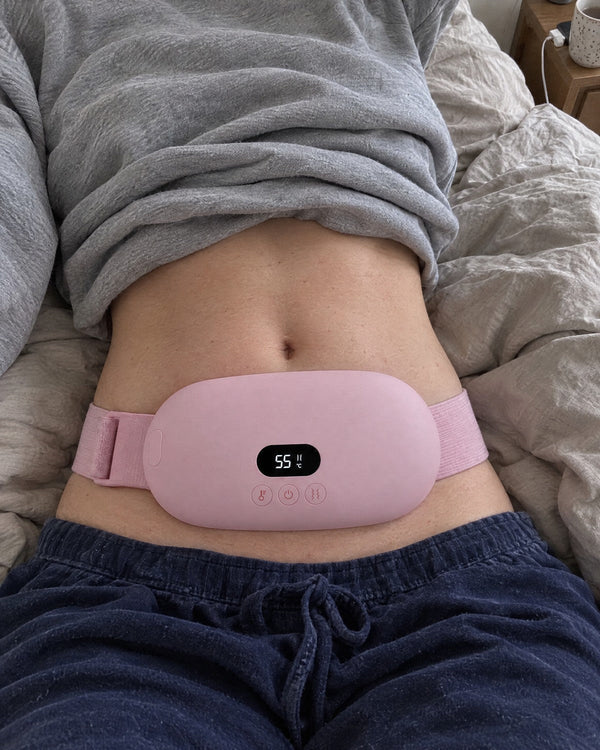
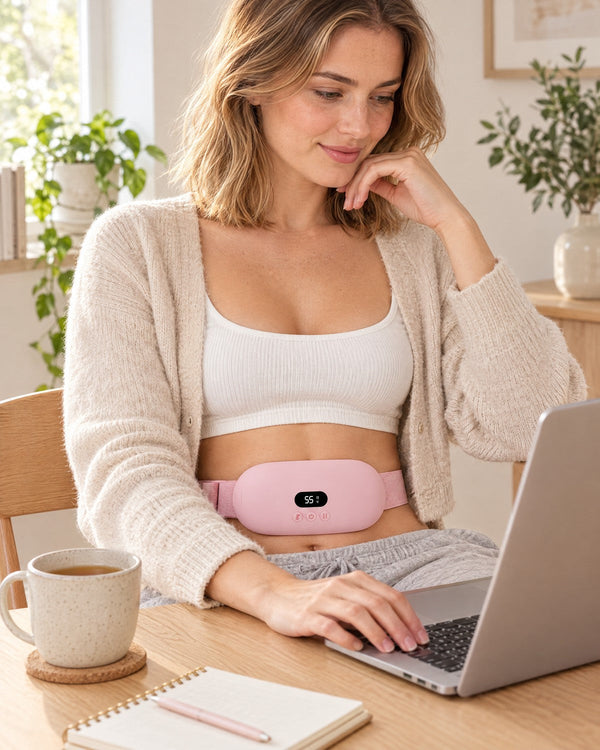
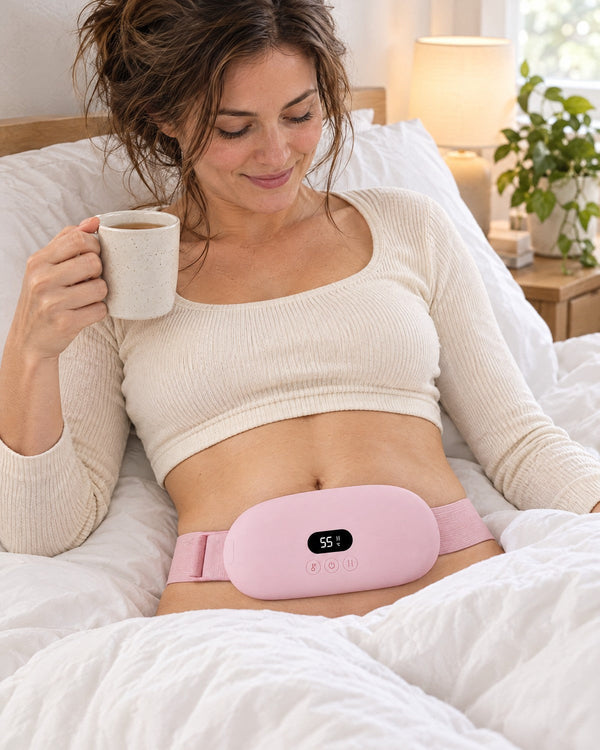
If you want hands-free heat: the Mello Soothe heat and massage belt is cordless and rechargeable, with 5 heat levels (45–65°C / 113–149°F), 5 massage modes and a digital display. You wear it on bare skin around your lower tummy or back, so the warmth comes with you on bad days. Free tracked delivery and 100 days to send it back.
Common questions
Why is my period pain getting worse every month?
It can be down to hormonal changes, stopping contraception, a coil, or conditions such as endometriosis, adenomyosis or fibroids. Pain that keeps getting worse should be checked by a GP or doctor.
Is worsening period pain a sign of endometriosis?
It can be one sign, especially alongside pain during sex, painful bowel movements or pain between periods. Only a doctor can investigate it. If you're already on that path, see waiting for an endometriosis diagnosis.
Can period pain get worse with age?
For many people it eases with age, but conditions like fibroids and adenomyosis are more common in your 30s and 40s, and perimenopause can change periods. A change from your usual pattern is worth mentioning to a doctor.
When should I go to A&E or the ER with period pain?
Go if pain is sudden and severe, you faint, you could be pregnant, or bleeding is extremely heavy: call 999 (UK) or 911 (US). For a fever with pelvic pain, call NHS 111 or your doctor the same day. Our period pain FAQ has more answers.
This guide is general information, not medical advice. If your pain is severe, getting worse or worrying you, speak to a doctor.