Period Pain With Nausea, Vomiting or Fainting: Why It Happens and When to Get Help
Why strong period pain can make you feel sick, dizzy or faint, what helps in the moment, and the red flags that need urgent help.

In this guide
Period pain doesn't always stay in your tummy. Some people feel sick, throw up, get dizzy or even faint when cramps are at their worst. Here's why it happens, what helps, and the red flags that mean you need urgent help.
Quick answer
Nausea, vomiting, dizziness and feeling faint can happen with strong period cramps (dysmenorrhoea, or dysmenorrhea). Prostaglandins, the chemicals that make the womb contract, can also affect your gut and blood pressure, and intense pain can trigger a faint. Lie down, sip fluids and use heat. Call 999 (UK) or 911 (US) if someone faints and doesn't come round quickly or pain is sudden and severe.
Why period pain can make you feel sick or faint
- Prostaglandins. Your womb (uterus) releases these chemicals to help it contract and shed its lining. Higher levels are linked to more painful periods, and they can spill over to affect your bowel, causing nausea, vomiting or diarrhoea.
- A pain reflex. Very strong pain can trigger a sudden drop in heart rate and blood pressure (a vasovagal response). You may feel hot, sweaty, pale, sick and lightheaded, and sometimes faint.
- Blood loss. Heavy periods over time can lead to low iron (iron deficiency anaemia), which can make you tired, breathless and dizzy. See heavy periods tips.
- Not eating or drinking. Skipping meals or getting dehydrated when you feel rough can make dizziness worse.
Red flags: get urgent help
Call 999 in the UK or 911 in the US, or go to A&E (the ER), if:
- Someone faints and does not come round within a minute or two, or has a fit or chest pain.
- You have sudden, severe tummy pain, especially if it's on one side, or pain in the tip of your shoulder.
- You could be pregnant and have tummy pain with bleeding, dizziness or fainting. This can be a sign of an ectopic pregnancy, which is an emergency.
- You're bleeding very heavily (soaking through a pad or tampon every hour or less) and feel faint, very pale, cold or confused.
- You're using a tampon or menstrual cup and suddenly feel very unwell with a high temperature, vomiting, dizziness or a rash that looks like sunburn. These can be signs of toxic shock syndrome. Remove the tampon and get help straight away.
Call NHS 111 in the UK (or your doctor's urgent line or an urgent care clinic in the US) if you're unsure, or if you have period pain with a high temperature, unusual vaginal discharge, or vomiting that means you can't keep fluids down.
What to do if you feel faint
- Lie down straight away, ideally with your legs raised on a cushion or chair. If you can't lie down, sit and put your head between your knees.
- Loosen anything tight around your waist.
- Stay down for 10 to 15 minutes after the feeling passes, then get up slowly.
- Sip water once you feel steadier, and have a small snack.
- Let someone know, and don't drive until you feel completely well.
Easing period nausea
- Little and often. Small, plain snacks such as crackers, toast or a banana are easier than big meals.
- Sip fluids steadily: water, diluted squash, ginger or peppermint tea. If you're being sick, take small sips every few minutes.
- Fresh air and loose clothing can help.
- Treat the cramps. Easing the pain often eases the nausea too. Heat on your lower tummy or back, rest and gentle massage all help. See 10 ways to ease period cramps at home.
- Ask about painkillers. Some painkillers can upset the stomach, so speak to a pharmacist about what suits you. Our guide to ibuprofen vs paracetamol explains the basics.
Is it normal? When to see a GP
Feeling a bit queasy on your heaviest day is common. But regularly vomiting, fainting or having to take time off because of your period isn't something you have to put up with. Book an appointment with your GP or doctor (or OB-GYN in the US) if:
- You faint or nearly faint with most periods.
- You vomit with your period regularly.
- Your periods are very heavy, or you feel tired and breathless all the time.
- Your pain is getting worse over time, or you have pain during or after sex.
These can be signs of conditions such as endometriosis, fibroids or anaemia, and there are treatments that help. Keeping a short symptom diary makes the appointment easier. See when to see a GP about period pain and endometriosis comfort tips.
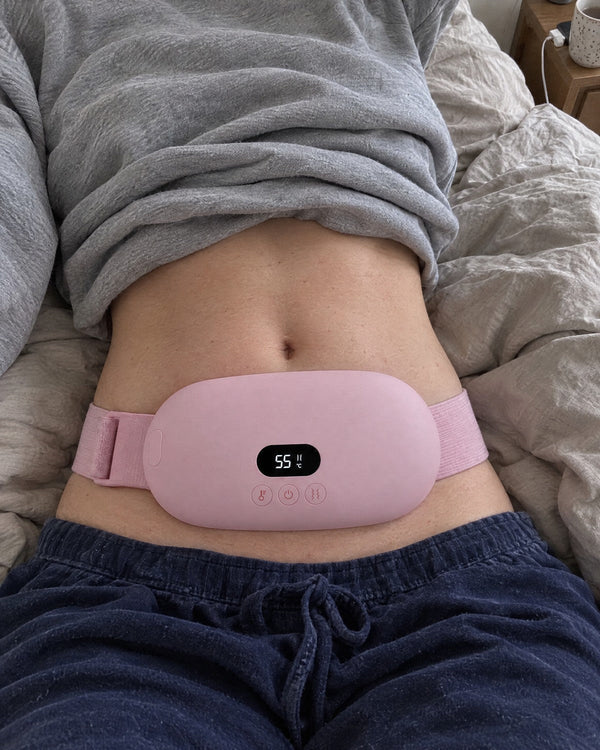
If you want hands-free heat while you rest: the Mello Soothe heat and massage belt is cordless, so you can lie down and keep warmth on your tummy or back without holding anything. 5 heat levels and 5 massage modes. Free tracked delivery and 100 days to send it back.
Common questions
Why do I throw up when I have period cramps?
Prostaglandins, the chemicals that make the womb contract, can also affect your stomach and bowel. Strong pain itself can make you feel sick too. If it happens regularly, see a GP or doctor, as there are treatments that may help.
Is it normal to faint from period pain?
Very strong pain can trigger a faint, and it does happen to some people. But it isn't something to ignore. If it happens more than once, or you don't come round quickly, get medical advice.
Can period pain cause diarrhoea and dizziness?
Yes. Diarrhoea is common around periods because prostaglandins affect the bowel. Dizziness can come from pain, dehydration or low iron after heavy periods. Sip fluids and rest, and see a doctor if it keeps happening.
When should I call 999 or 911 for period pain?
If someone faints and doesn't come round quickly, if pain is sudden and severe, if you could be pregnant and have pain with bleeding or dizziness, or if you have signs of toxic shock syndrome. If you're not sure, call NHS 111 in the UK. Our period pain FAQ has more.
This guide is general information, not medical advice. If your pain is severe, getting worse or worrying you, speak to a doctor.