Time off work for period pain: sick leave, your rights and what to say
A plain-English guide to taking time off work for period pain in the UK and US, and how to talk to your employer about it.

In this guide
Some months, period pain means you simply can't work, and calling in can feel awkward or even risky. This guide explains, in general terms, how sick leave tends to work in the UK and the US, and how to approach the conversation.
Quick answer
Yes, you can take sick leave for period pain. It counts as illness like any other. In the UK, you can self-certify for up to seven days and may get Statutory Sick Pay (SSP). In the US, sick leave depends on your state and employer. Conditions like endometriosis may bring extra protections. Rules vary, so check your employer's policy and seek advice if unsure.
Is period pain a valid reason for a sick day?
Yes. If pain, heavy bleeding, nausea or exhaustion mean you can't do your job, that's a genuine reason to be off sick. You don't have to give lots of detail when you call in. “I'm unwell with severe stomach pain” or “I have a recurring medical condition” is usually enough, although some sickness policies ask for a reason, and being honest can help if it happens regularly.
This guide is general information, not legal advice, and employment rules change. Always check your contract and your employer's sickness policy.
In the UK: sick leave, SSP and fit notes
- Self-certifying: for absences of seven days or fewer, you can usually self-certify rather than needing a doctor's note. Your employer may ask you to fill in a form.
- Fit notes: if you're off for more than seven days in a row, your employer can ask for a fit note from a GP or other healthcare professional.
- Statutory Sick Pay (SSP): eligible employees can get SSP from their employer. Eligibility rules and rates change, so check GOV.UK for the current details. Many employers also offer contractual sick pay above SSP.
- Sickness absence policies: some workplaces use trigger points for absence reviews. If period-related absence keeps happening, it's worth telling your manager or HR why, so it's understood in context.
The Equality Act 2010
Period pain on its own isn't usually classed as a disability. But a condition linked to painful periods, such as endometriosis or adenomyosis, may count as a disability under the Equality Act 2010 if it has a substantial and long-term effect on your day-to-day life. If it does, your employer has a duty to consider reasonable adjustments, such as flexible hours, working from home on bad days or adjusting how absence is counted. Treating someone unfavourably because of menstrual symptoms could also raise issues of sex discrimination. Whether the law applies depends on your circumstances.
Where to get advice: ACAS offers free, impartial advice on workplace rights, including guidance on menstruation and menopause at work. Citizens Advice and trade unions can also help.
In the US: sick leave, FMLA and ADA
- Paid sick leave: there's no general federal requirement for private employers to offer paid sick leave. Many states and some cities have their own paid sick leave laws, and many employers offer sick days or paid time off (PTO). Check your state rules and your employee handbook.
- FMLA: the Family and Medical Leave Act can give eligible employees unpaid, job-protected leave for a serious health condition. Eligibility depends on things like your employer's size, how long you've worked there and the hours you've worked. Leave can sometimes be taken intermittently, for example a day or two a month for a chronic condition, with medical certification.
- ADA: under the Americans with Disabilities Act, a chronic condition such as endometriosis may count as a disability if it substantially limits major life activities. Covered employers must then consider reasonable accommodations, such as flexible scheduling or remote work.
Where to get advice: your HR department, the U.S. Department of Labor, your state labor department, the Job Accommodation Network (JAN) or an employment lawyer can help you understand what applies to you.
How to talk to your employer
- Keep it factual: explain that you have painful periods or a diagnosed condition, how often it affects you and what would help.
- Suggest solutions: working from home on day one, a later start, more breaks, a desk near the toilet or swapping shifts can mean fewer full days off.
- Get medical backing: a note from your GP or doctor explaining the condition can help support requests for adjustments or accommodations.
- Keep records: note dates off, symptoms and any conversations or emails with your manager.
Our guide to period pain at work covers coping on the days you do go in.
If you're taking a lot of time off
Regularly missing work because of period pain is a sign to see a GP or doctor (or OB-GYN). Pain that disrupts your life can sometimes be caused by conditions such as endometriosis, adenomyosis or fibroids, and there are treatments that may help. See when to see a GP about period pain and period pain getting worse. Get urgent help (999 in the UK, 911 in the US, or A&E/the ER) for sudden severe pain, fainting, or severe pain when you could be pregnant. For pain with a fever, call NHS 111 or your doctor the same day.
Making a day off count
If you are off, give yourself proper rest: painkillers early, heat on your lower tummy or back for 20 to 30 minutes at a time, fluids and some gentle movement if you can. Our guide on easing period cramps at home has a full routine.
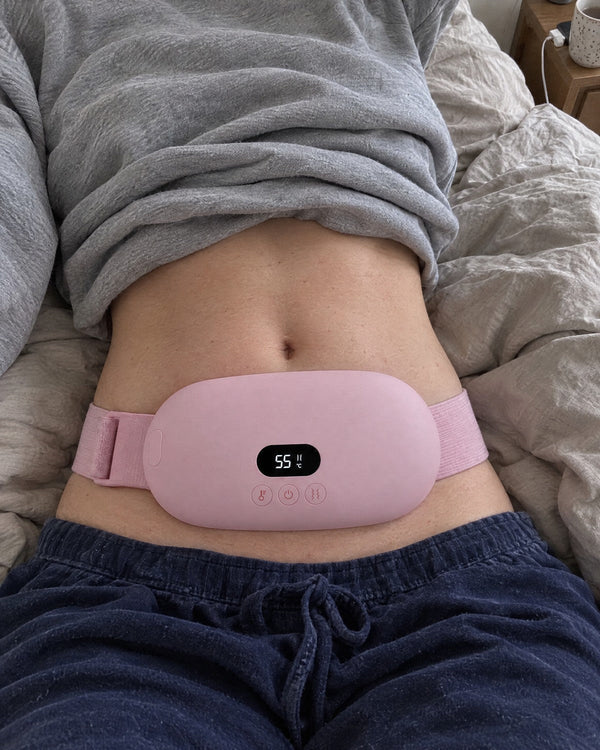
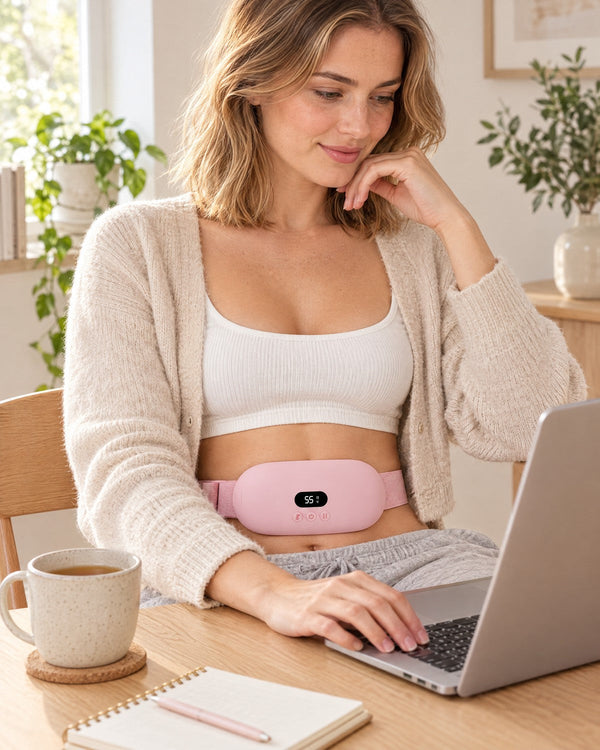
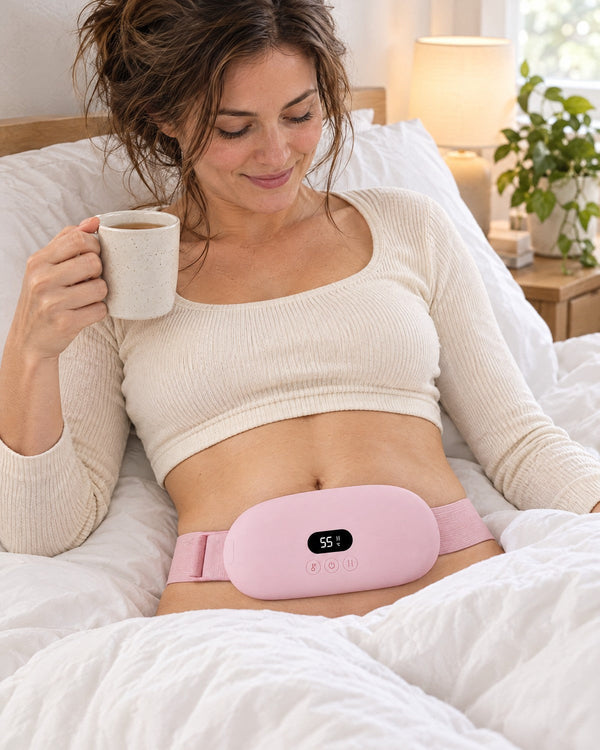
If you want hands-free heat: the Welmo Soothe heat and massage belt is cordless and rechargeable, with 5 heat levels (45–65°C / 113–149°F) and 5 massage modes. Worn on bare skin, it lets you rest on the sofa or keep working from home on lighter days without being tied to a plug. Free tracked delivery and 100 days to send it back.
Common questions
Can I call in sick for period pain?
Yes. Period pain that stops you working is a genuine reason to be off sick. You don't usually need to give much detail, but check your employer's sickness policy for how to report absence.
Do I need a doctor's note for period pain?
In the UK, you can usually self-certify for up to seven days, and a fit note may be needed after that. In the US, it depends on your employer's policy and state law. Some employers ask for a note after a set number of days.
Is endometriosis a disability at work?
It can be, depending on how much it affects you. In the UK it may be covered by the Equality Act 2010, and in the US by the ADA, which can mean reasonable adjustments or accommodations. Seek advice, for example from ACAS in the UK, for your situation.
Is there period leave in the UK or US?
There's no general legal right to separate menstrual leave in either country, though some employers offer it voluntarily. Period pain is usually covered by normal sick leave, so check your employer's policy. More answers on our period pain FAQ.
This guide is general information, not medical advice. If your pain is severe, getting worse or worrying you, speak to a doctor.